Churchill Manitoba Weather By Month
Churchill sits on the shore of Hudson Bay in northern Manitoba, and its weather is the reason the town has a polar bear season, a beluga season and an aurora season at all. Here is what each month actually looks like, using the official Environment and Climate Change Canada climate normals, and what each stretch of the year means for the tours you can book.
Short answer
Churchill's climate is subarctic and wind-shaped: mean daily temperatures run from about minus 26 C in January to about 13 C in July, per the 1981 to 2010 Environment and Climate Change Canada normals. October averages minus 1.15 C, November minus 12.70 C, and that freeze-up window is what concentrates polar bears along the bay. July and August bring belugas; February and March bring the darkest aurora skies.
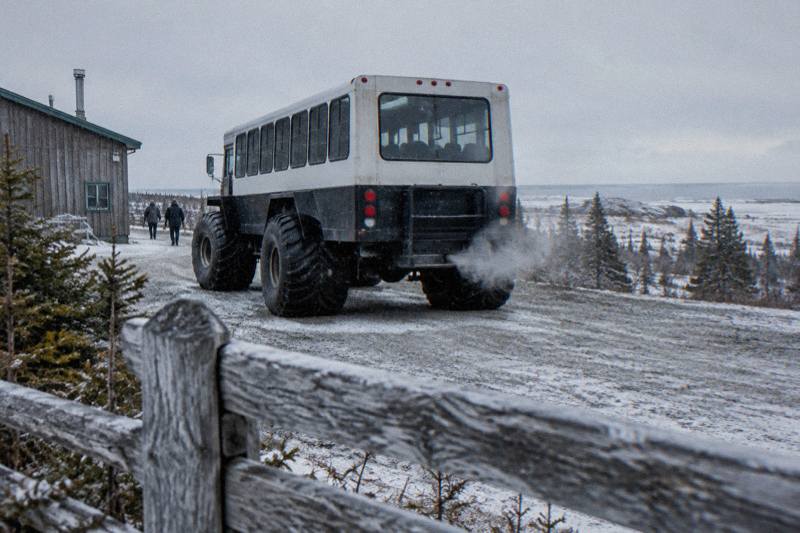
Churchill sits on the shore of Hudson Bay in northern Manitoba, and the weather there is not a backdrop to the trip: it is the trip. The bay's freeze-up in late October and early November is what pushes polar bears onto the coast within sight of town, the July warmth is what draws tens of thousands of beluga whales into the Churchill River estuary, and the long winter darkness is what makes Churchill one of the most reliable northern lights destinations in the world. Understanding the month-by-month pattern is the single most useful planning step you can take, because the tours that run here are built around it. Once you know your ideal month, the story behind Churchill's fame explains exactly why this small town draws travelers from around the world.
The numbers below come from Environment and Climate Change Canada's official climate normals for the Churchill A station, the 1981 to 2010 averaging period. They are long-term averages, not a forecast for any given week, and Churchill's wind can make a mild day feel far colder than the thermometer suggests. Frontiers North's own pre-departure guidance notes that autumn tour temperatures can vary from minus 13 C to minus 2 C, and that stronger winds push the effective cold lower still.
What Is The Weather Like In Churchill Manitoba?
Churchill has a subarctic climate with a short, cool summer and a long, fierce winter: mean daily temperatures range from about minus 26 C in January to about 13 C in July, with October averaging minus 1.15 C and November minus 12.70 C. The town is more than 1,000 km northeast of Winnipeg, reachable only by train or plane, and its position on Hudson Bay means wind and sea ice shape conditions more than latitude alone.
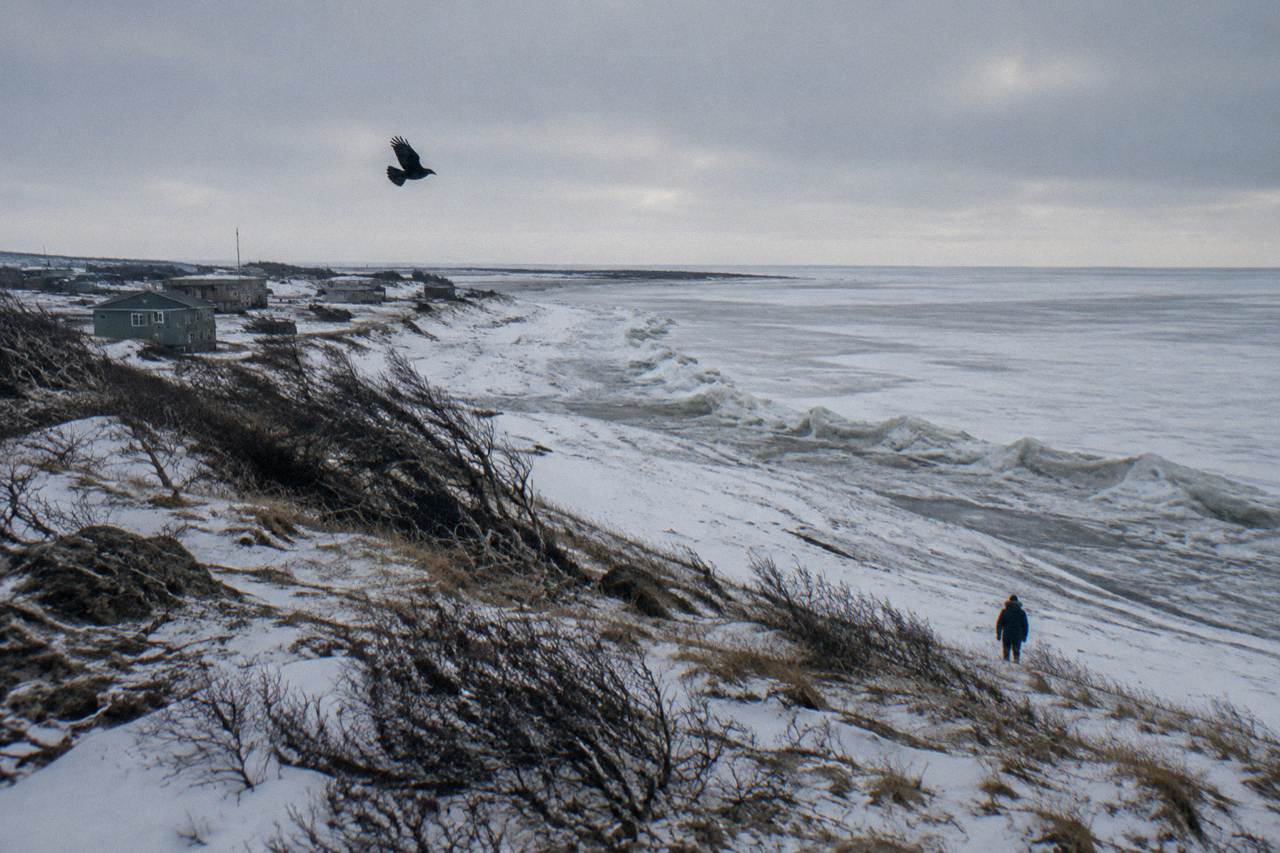
The most important thing to understand about Churchill weather is that it is a coastal climate. Hudson Bay acts as a giant temperature regulator: it keeps early summer cooler than inland areas at the same latitude, and it keeps autumn warmer for longer, because a huge body of water that has not yet frozen releases heat into the air. That delay is not a quirk. It is the engine of the entire polar bear season.
Bears wait for the bay to freeze because they hunt seals from sea ice. Near Churchill, the bay does not refreeze until approximately early November, according to the Churchill Northern Studies Centre. So through October the bears gather on the coast, eating little and waiting, and the moment the ice forms they scatter onto it and the season ends. A warm autumn means a longer gathering season; an early freeze-up means a shorter one. No operator can promise which year you will get.
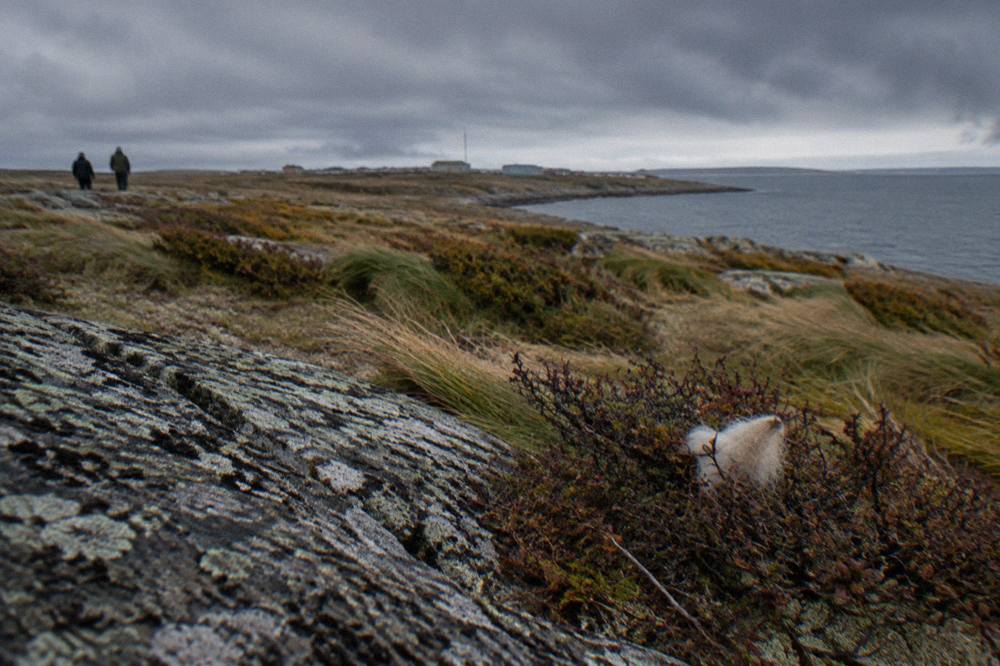
The second thing to understand is wind. Churchill is famously windy, and the official temperature tables understate what a day on the tundra feels like. The elevated decks of a Tundra Buggy are open to the rear, and guests who underdress for wind rather than for the thermometer are the ones who spend the day inside the heated cabin. Our guide on what to wear in Churchill for polar bear tours covers the layering system in detail.
What Are Churchill's Average Temperatures Each Month?
The official 1981 to 2010 climate normals for Churchill show January as the coldest month at a mean of minus 26.04 C, July as the warmest at plus 12.66 C, and a sharp shoulder-season swing: September averages plus 6.37 C, October drops to minus 1.15 C, and November plunges to minus 12.70 C. Every month from November through April averages below freezing.
Here is the full table, straight from the Environment and Climate Change Canada normals for the Churchill A station (see USA To Churchill Route). Mean daily is the average of the whole day; the max and min columns give the typical daytime high and overnight low.
| Month | Mean daily (C) | Mean max (C) | Mean min (C) |
|---|---|---|---|
| January | -26.04 | -21.92 | -30.11 |
| February | -24.49 | -20.18 | -28.75 |
| March | -18.91 | -13.92 | -23.85 |
| April | -9.78 | -5.11 | -14.41 |
| May | -1.01 | 2.94 | -4.95 |
| June | 7.03 | 11.99 | 2.03 |
| July | 12.66 | 17.95 | 7.32 |
| August | 12.28 | 16.80 | 7.71 |
| September | 6.37 | 9.54 | 3.15 |
| October | -1.15 | 1.56 | -3.85 |
| November | -12.70 | -8.95 | -16.40 |
| December | -21.90 | -17.81 | -25.94 |
Two things jump out of that table. First, the transition months are violent: between September and November the mean drops nearly 19 degrees. Second, summer is real but brief. July's average high of 17.95 C is genuinely pleasant, and that is exactly when the belugas arrive in the estuary, drawn by the river's relatively warm snowmelt outflow into the bay.
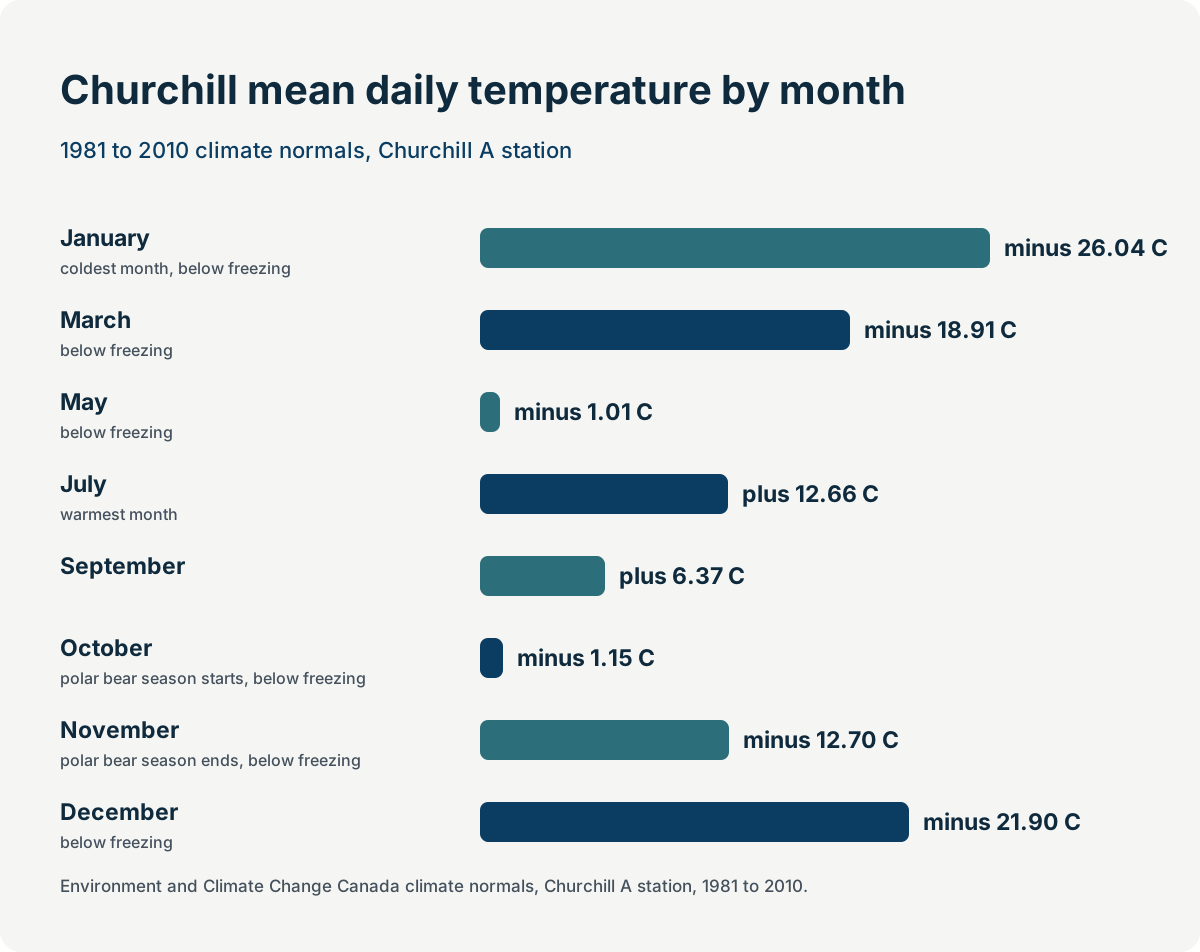
Read against the calendar of wildlife, the chart tells you when to come. The deep-cold months, January through March, are aurora months. The warm months, June through August, are beluga and wildflower months. The shoulder, October and November, is the polar bear window, and it exists precisely because the temperatures in those two months straddle freezing, holding the bay open just long enough for bears to stack up on shore.
If you already know your month, the fastest way to compare what runs then is the live roster: the buggy day, a private aurora night drive, and the summer beluga package between them cover three of Churchill's four seasons.
How Cold Is Polar Bear Season In October And November?
Polar bear season runs October into November, when the mean daily temperature falls from minus 1.15 C to minus 12.70 C and Hudson Bay begins to freeze: Travel Manitoba reports that from mid-October to mid-November an average of 600 bears roam the Hudson Bay shore waiting for the ice. Expect anything from just below freezing to a hard minus-teens day, with wind making it feel colder, and pack for both.
October is the deceptive month. The mean daily temperature of minus 1.15 C sounds manageable, and the average high of 1.56 C means many afternoons sit right at freezing. But the mean low is minus 3.85 C, and Frontiers North's pre-departure page warns that autumn tour temperatures can vary from minus 13 C to minus 2 C. The practical range for an eight-hour day on the tundra is therefore "freezing to well below freezing", and the wind off the bay does not appear in any of those numbers.
November is a different animal. The mean drops to minus 12.70 C, the average high to minus 8.95 C, and by mid-month the bay is usually freezing hard. The bears that linger latest are the ones most desperate to hunt, and the town's Polar Bear Alert Program stays active through freeze-up. Our polar bear safety in Churchill guide covers how that program works and what the rules are for walking in town.
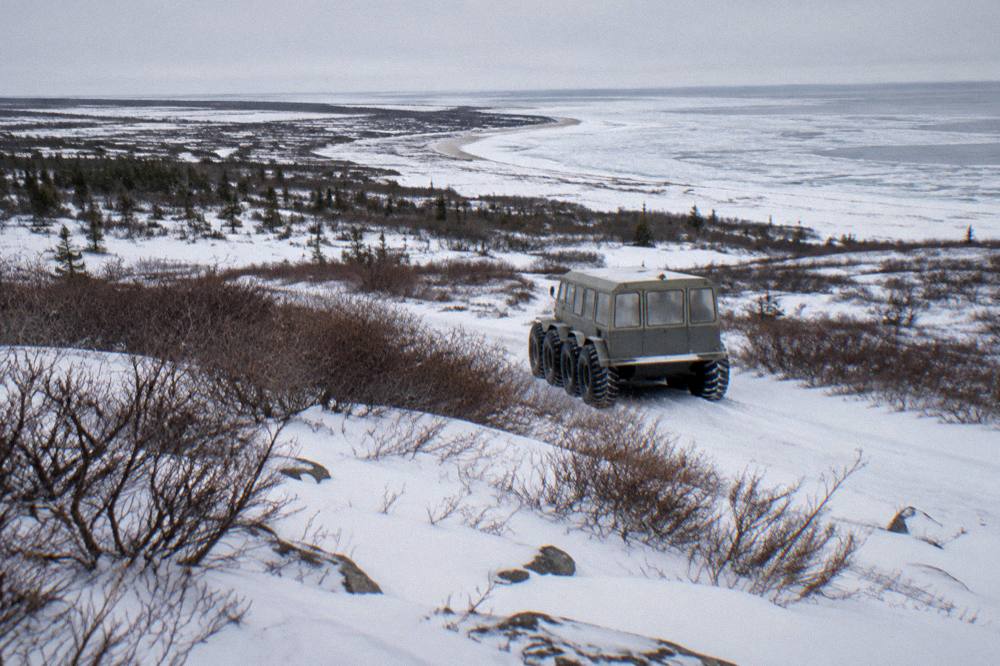
The listing for the full-day autumn buggy tour states check-in around 7:45 a.m. at the Fifty Eight North shop in Churchill, roughly eight hours on the tundra, and a return around 5 p.m. That is a long day outdoors in October air, which is exactly why the vehicle matters: Frontiers North's own pages state the Tundra Buggy is heated fleet-wide, with a window for every guest and a rear deck viewing platform for photography.
The exclusive version of the day trip, the Churchill Exclusive Tundra Buggy Day Trip from Frontiers North Adventures, runs the same eight-hour format from $484 USD per person with lunch aboard, and holds a firm 4.6 rating from 30 reviews. Guests on that listing report the warmth of the buggy as a highlight: one recent review calls it "warm and comfortable" alongside a "great lunch". Both buggy day tours are non-refundable and cannot be changed, so the weather question is worth settling before you commit rather than after.
What Is Winter Weather Like And When Can You See The Aurora?
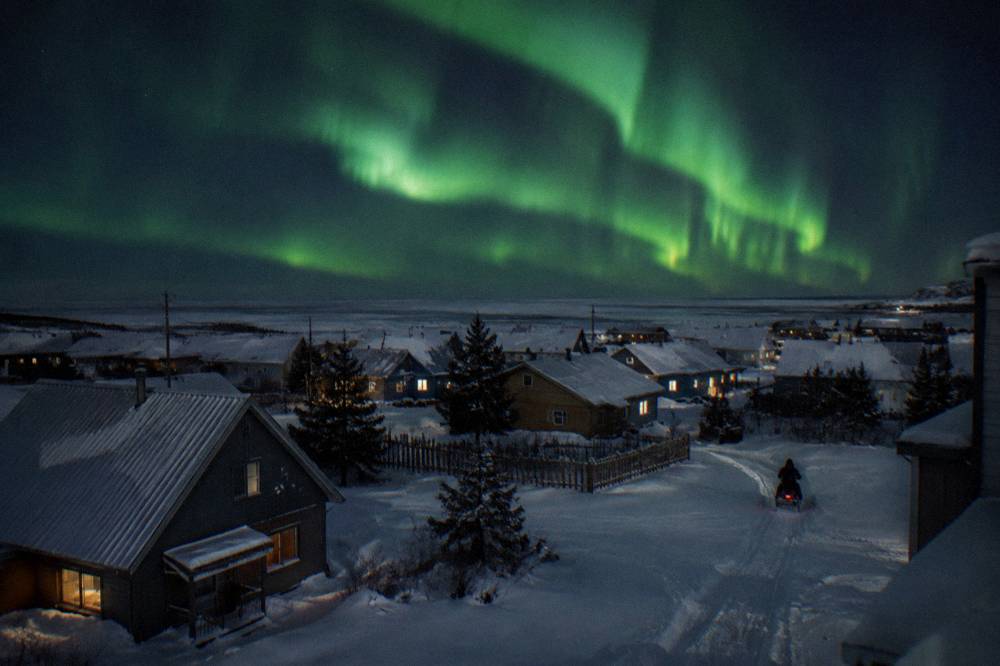
Winter in Churchill means mean daily temperatures of roughly minus 19 C in March, minus 24.49 C in February and minus 26.04 C in January, with overnight lows averaging below minus 28 C in the deepest months. Aurora season runs late August into April, and Travel Manitoba names February and March as the clearest, darkest stretch. Churchill sits under the auroral oval, which is why the town claims aurora potential on as many as 300 nights a year. If you're weighing which stretch of aurora season suits you best, our guide to the best month for northern lights viewing in Churchill compares conditions month by month.
The cold is genuinely serious. A January overnight average of minus 30.11 C is not a polar outbreak; it is a normal night. Any winter activity in Churchill is built around short exposures: a heated vehicle, a dome, a brief walk between buildings. That constraint shapes how aurora tours actually work here.
The private Northern Lights and Arctic Night Car Tour from JAINVOYAGERS runs five hours from $702 USD per private group of up to five, with hotel pickup and free cancellation up to 24 hours before start. The listing describes a warm vehicle chasing clear dark skies with just your group, which is the honest way to aurora-chase at minus 20 C: you drive, you stop, you step out, you get back in. It is a new listing with no reviews yet, so there is no rating to cite, and the aurora itself is weather-dependent, never a promise.
For travelers who want winter without organizing it themselves, the six-day Churchill Northern Lights and Winter Nights package from Frontiers North runs from $5,783 USD per person from Winnipeg, timed for deep winter darkness under the oval. It holds a 5.0 rating, but from only 4 reviews, a small pool worth reading in full before you decide.
What Is Summer Weather Like In Churchill?
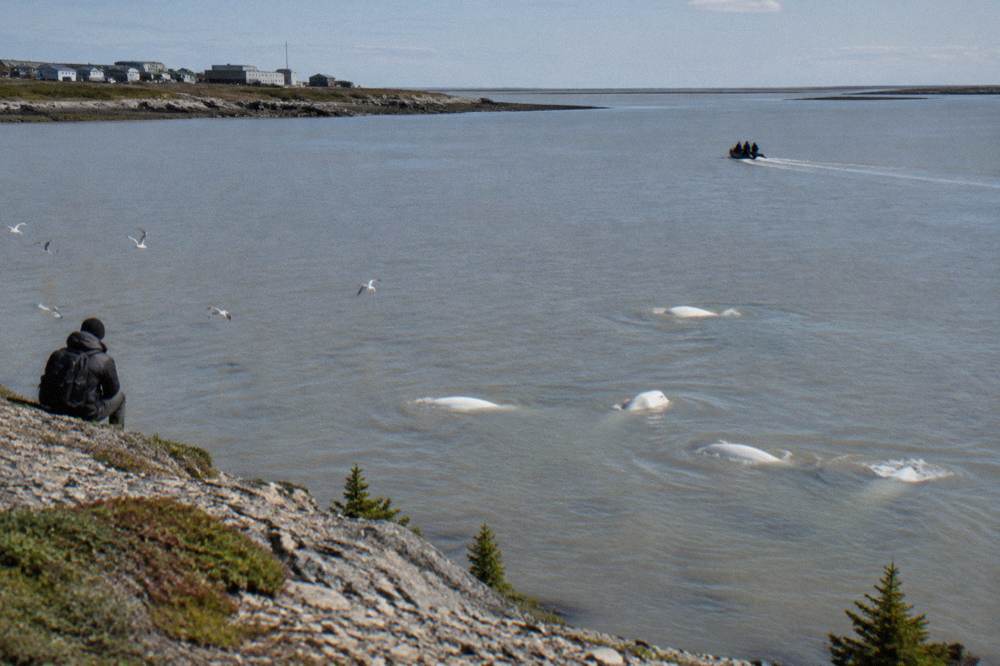
Summer is short, cool and bright: July averages 12.66 C daily with a mean high of 17.95 C, August 12.28 C, and June 7.03 C. The payoff for the mild stretch is the beluga season, mid-June to mid-September with a July and August peak, when about 4,000 whales enter the Churchill River estuary out of roughly 57,000 across Hudson Bay, per Travel Manitoba. Tundra wildflowers also peak in July and August. For help planning a trip around the whales, our guide to the Churchill beluga whale season explains how the timing works and which tours operate during it.
July is Churchill's warmest month, and it is still jacket weather by southern standards. The average overnight low of 7.32 C means evenings want a real layer. What summer lacks in heat it returns in light and life: the estuary fills with belugas, the tundra blooms with wildflowers, and the bugs of June give way to more comfortable August days.
The seven-day Churchill Belugas, Bears and Blooms package from Frontiers North, from $6,974 USD per person from Winnipeg, is built exactly around this window: beluga whales, polar bears spotted in smaller summer numbers along the coast, and the tundra bloom. It carries a 5.0 rating from just 2 reviews, a very small pool, so read the listing's own description rather than trusting the number alone. Polar bears can be seen from July to September, Travel Manitoba notes, but in fewer numbers than in autumn. For more ideas on filling your days between whale and bear sightings, the season-by-season guide to Churchill activities covers everything from museums to dog sledding.
Summer is also the season for the private road safari: the Private Polar Bear and Hudson Bay Road Safari from JAINVOYAGERS runs about eight hours from $1,474 USD per private group, hotel, airport or railway station pickup, and free cancellation up to 24 hours before. It is another new listing with no reviews yet, so no rating can be cited for it.
How Does Churchill Weather Compare Month To Month For Planning A Trip?
The practical planning split is three windows: deep winter, January to March, for aurora at means of minus 19 to minus 26 C; summer, June to August, for belugas and blooms at means of plus 7 to plus 13 C; and the October to November shoulder, at means of minus 1 to minus 13 C, for the polar bear gathering. May, September and April are quiet, unpredictable shoulder months with thin tour availability.
The table below maps each stretch of the year to what the climate normals say, what is actually happening on the ground, and what kind of tour runs then.
| Months | Mean daily (C) | What is happening | Tours that fit |
|---|---|---|---|
| January to March | -26.04 to -18.91 | Deepest cold, longest darkness, peak aurora clarity | Private aurora night drive, winter aurora package |
| April to May | -9.78 to -1.01 | Thaw beginning, ice breaking up, quiet season | Few scheduled options; private road safari |
| June to August | 7.03 to 12.66 | Belugas in the estuary, tundra blooms, midnight-adjacent light | Beluga package, private road safari |
| September | 6.37 | Cooling fast, geese moving, pre-season quiet | Private road safari, early buggy days |
| October to November | -1.15 to -12.70 | Freeze-up, polar bears concentrated on the coast | Buggy day tours, six-day package from Winnipeg |
| December | -21.90 | Full winter, short days, aurora season under way | Private aurora night drive |
Notice what the table does not say. It does not rank the seasons, because each window serves a different traveler. The six-day Classic Churchill Polar Bear Experience from Winnipeg, from $7,926 USD per person with flights both ways and a 70 lb luggage limit, is the flagship autumn option and carries the roster's strongest review base, a firm 4.8 from 59 reviews. One guest, Michelle G., wrote: "This tour was beyond amazing and exceeded expectations! Such a unique experience to see polar bears in their natural habitat and very well organized." That is one guest's October, not a promise of yours.
What Should You Wear For Churchill Weather?
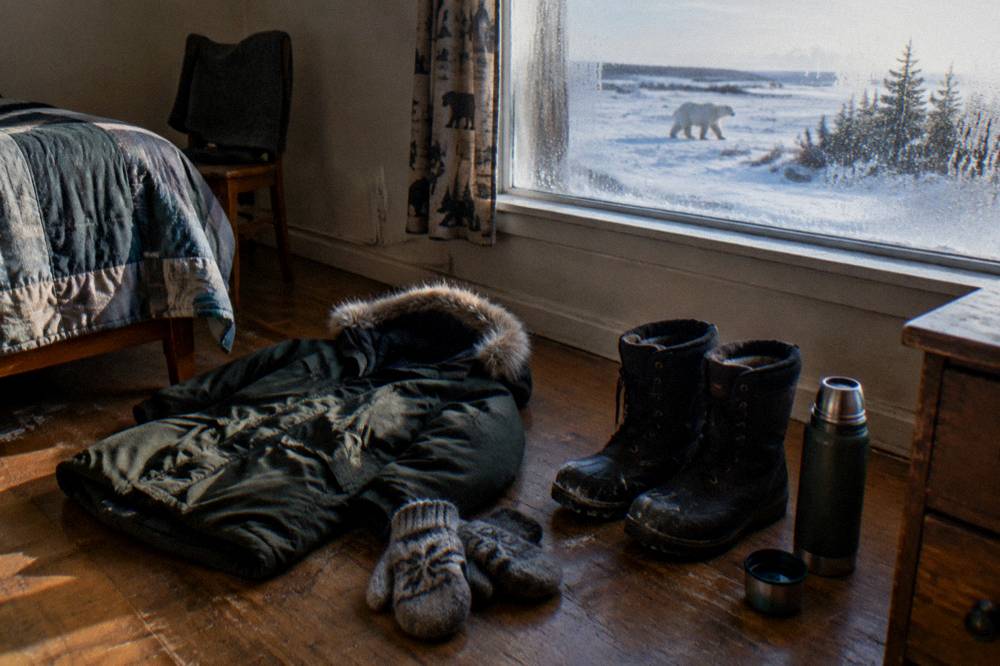
Dress for the mean low, not the mean high, and dress for wind above all: October wants an insulated parka, windproof layers, hat, gloves and warm boots even though the mean daily temperature is only minus 1.15 C, and November wants full deep-winter kit for a minus 12.70 C mean with wind chill on open tundra. Summer still wants a fleece and a rain shell for July evenings that average 7.32 C overnight.
The single most common mistake visitors make is treating the temperature table as a clothing guide. It is not. Churchill's wind turns a mild afternoon into something far colder on an exposed viewing deck, and the rear deck of a Tundra Buggy, where photographers spend their time, is exactly that. Frontiers North's pre-departure guidance gives the autumn range as minus 13 C to minus 2 C before wind, so the base layer system matters more than any single jacket.
For the buggy day specifically, remember you are out roughly eight hours, from about 7:45 a.m. check-in to a return around 5 p.m., with lunch aboard the vehicle. The buggy is heated, but you will cycle between the warm cabin and the open deck repeatedly. Loose layers you can shed and add, rather than one heavy coat, are the practical answer.
The kit table below translates the climate normals into packing decisions, season by season.
| Season | Mean daily range (C) | Conditions to expect | Packing answer |
|---|---|---|---|
| Deep winter, January to March | -26.04 to -18.91 | Extreme cold, wind, long darkness | Deep-cold rated boots, layered mitts, windproof shell, balaclava |
| Shoulder spring, April to May | -9.78 to -1.01 | Thaw, slush, mud, unpredictable swings | Waterproof boots, versatile layers, rain shell |
| Summer, June to August | 7.03 to 12.66 | Cool and bright, cold evenings, bugs in June | Fleece, rain shell, insect repellent in June, hat and gloves for boat decks |
| Autumn, September to November | 6.37 to -12.70 | Freezing to well below freezing, wind off the bay | Insulated parka, windproof layers, warm boots, hat and gloves |
Winter aurora nights demand a different discipline: you will be standing still in the dark, often at minus 20 C or colder, waiting for the sky. The private night drive mitigates this with a warm vehicle between stops, but boots rated for deep cold, layered mitts and a windproof outer shell are the difference between an hour of sky-watching and ten minutes of it.
How Far Ahead Should You Book Around The Weather?
Book the October to November polar bear window far ahead: Travel Manitoba advises planning and booking at least a year in advance for peak season, and Frontiers North states its Tundra Buggy day tours tend to sell to capacity. The autumn day tour is on average booked 180 days in advance. Winter aurora and summer beluga trips have somewhat more flexibility, but the small private tours and packages still sell through their dates.
The weather creates the bottleneck. Because the freeze-up window is only weeks long, the entire world's autumn polar bear demand lands on a handful of departures. That is not marketing pressure; it is arithmetic. Churchill has about 900 residents, per Travel Manitoba, a limited fleet of tundra vehicles, and a season that the climate normals compress into two months.
Money logistics matter as much as timing. The buggy day tours and the Winnipeg packages are non-refundable and cannot be changed, so a weather-delayed flight or a change of plan does not get your money back. The two private tours, the road safari and the aurora night drive, both allow free cancellation up to 24 hours before start, which buys flexibility if your dates are soft. Frontiers North's own booking terms list a $750 CAD per-person deposit, non-refundable, with full payment due 120 days before departure.
If you are weighing whether the full commitment is worth it, our is it worth going to Churchill piece walks the honest case both ways, and the Churchill Polar Bear Tours Canada homepage lays out the full tour roster by season.
Whatever month you choose, the same three questions decide it: which wildlife you are here for, how much cold you will genuinely enjoy, and how far ahead you can commit. The buggy day with lunch aboard answers October; the private night drive answers February; the beluga package answers July. The climate normals have already written the calendar for you.
Common Questions About Churchill Manitoba Weather
What Is The Weather Like In Churchill Manitoba?
Churchill has a subarctic climate. Mean daily temperatures run from about minus 26 C in January to about 12.66 C in July, per the official 1981 to 2010 Environment and Climate Change Canada normals. October averages minus 1.15 C and November minus 12.70 C, and wind off Hudson Bay makes every month feel colder than the raw numbers.
What Is The Coldest Month In Churchill?
January, with a mean daily temperature of minus 26.04 C, a mean high of minus 21.92 C and a mean low of minus 30.11 C, according to the 1981 to 2010 climate normals for the Churchill A station.
What Is The Warmest Month In Churchill?
July, with a mean daily temperature of 12.66 C and a mean high of 17.95 C. July is also the heart of beluga season, when about 4,000 whales enter the Churchill River estuary out of roughly 57,000 across Hudson Bay, per Travel Manitoba.
How Cold Is Polar Bear Season In Churchill?
October averages minus 1.15 C daily and November minus 12.70 C. Frontiers North's pre-departure guidance gives an autumn tour range of minus 13 C to minus 2 C, with wind pushing the effective cold lower. Pack insulated layers, not just a warm coat.
When Is Aurora Season In Churchill?
Aurora season runs late August into April, with February and March the clearest and darkest months. Churchill sits under the auroral oval, and Travel Manitoba notes the lights can appear 300 nights a year there, though no night is a guarantee.
Does It Snow In Every Month In Churchill?
The climate normals show every month from November through April averaging below freezing, so snow and ice are normal across that whole stretch. Summer months sit above freezing on average, but cold rain and wind are common, and a rain shell belongs in your bag even in July.