What To Wear In Churchill For Polar Bear Tours
Churchill in October is not Winnipeg in October. The town sits on Hudson Bay at 58 degrees north, the wind comes off water that has not yet frozen, and you will spend much of a bear tour standing still on an open outdoor deck. Here is what the verified climate data and the operator's own pages say about dressing for it.
Short answer
Plan for Frontiers North's stated autumn range of minus 13 to minus 2 C, wind included, and dress in layers you can shed: a moisture-wicking base, an insulating mid layer, and a windproof outer shell. Insulated boots matter more than any jacket, because the tundra deck keeps you standing still for hours. The Tundra Buggy itself is heated, so the goal is layers that work both inside the cabin and outside on the rear viewing deck.
Churchill polar bear season happens at the exact moment the subarctic tips from autumn into winter, and that is the whole problem with packing for it. Mid-October can feel almost mild; the same week in early November can be twenty degrees colder. The town of about 900 people, per Travel Manitoba, sits more than 1,000 km from Winnipeg with no road connection at all, so you cannot drive out for a forgotten pair of gloves. Whatever you wear is what you have. And if you plan to bring a camera, the guide to polar bear photography in Churchill covers how to protect your gear from the same cold that makes packing so tricky.
The good news is that a polar bear tour is not a hike. The eight-hour buggy day with lunch aboard runs on a heated vehicle, and the six-day package from Winnipeg keeps you indoors for meals and town time between tundra outings. The cold you will actually feel is concentrated in two places: the outdoor rear viewing deck, where you stand still to watch bears, and the walks between your hotel and the meeting point in town. Dress for standing still, not for moving fast. Once your layers are sorted, the guide to the cheapest way to see polar bears compares what different tour styles actually cost.
What Does Cold In Churchill Actually Feel Like On A Tour Day?
The verified numbers say October averages a daily mean of minus 1.15 C and November minus 12.70 C, with Frontiers North's own pre-departure page telling autumn guests to expect minus 13 to minus 2 C, and stronger winds pushing it lower. Those are Environment and Climate Change Canada's 1981 to 2010 station normals for Churchill A, not a forecast, and they describe the range you should pack for.
The monthly table below is the verified climate record for the Churchill airport station, climate ID 5060600, pulled from the official Environment and Climate Change Canada normals collection. It is worth reading the October and November rows together, because bear season straddles both. Those same two months also shape your odds on the ice, so pair this table with our guide to your chances of actually spotting a polar bear in Churchill before you pick dates.
| Month | Mean daily (C) | Mean max (C) | Mean min (C) |
|---|---|---|---|
| August | 12.28 | 16.80 | 7.71 |
| September | 6.37 | 9.54 | 3.15 |
| October | -1.15 | 1.56 | -3.85 |
| November | -12.70 | -8.95 | -16.40 |
Two things follow from that table. First, the difference between an early-October departure and a mid-November one is roughly the difference between a cold fall day and a genuine winter one, so check which week your tour falls in before you pack. Second, the mean minimum matters more than the mean maximum: you will be outside around dawn for check-in and again at the end of the day, which is when the thermometer sits near the bottom of the range.
Wind is the factor the table cannot show. Churchill sits open to Hudson Bay, and Frontiers North's pre-departure page notes that stronger winds push felt temperatures below the printed range. A windproof outer layer is therefore not optional equipment on this trip; it is the piece that turns a survivable day into a comfortable one. The same page is the operator's own advice to autumn travellers, and it is the closest thing to official wear guidance that exists for these tours. No government or operator page publishes a formal Churchill packing list; that gap is real, and everything below is layering principle built on the verified climate data rather than a copied checklist.
If you are still choosing which week to travel, the best time to see polar bears in Churchill guide breaks the season down week by week, and the temperature shift is part of that trade-off.
How Should You Layer For Eight Hours On The Tundra?
Dress in three layers you can add and remove independently: a moisture-wicking base against your skin, a thick insulating mid layer, and a windproof, ideally insulated, outer shell. The reason is the vehicle, not the weather: the Tundra Buggy is heated fleet-wide, so you will cycle between a warm cabin and an open rear deck all day, and a single heavy coat fails in both directions.
The base layer exists to move sweat away from your skin. On a day that alternates between a heated cabin and a frozen deck, a cotton base is the classic mistake: it holds moisture, and damp fabric against skin in wind is what actually makes people miserable. A synthetic or wool base, top and bottom, is the standard answer.
The mid layer is your thermostat. A heavy fleece or a insulated puffy jacket over the base gives you something you can strip off in the cabin and pull back on the moment you step onto the deck. Bring two mid layers rather than one very thick one, because two thin layers trap more air between them and give you three settings instead of one.
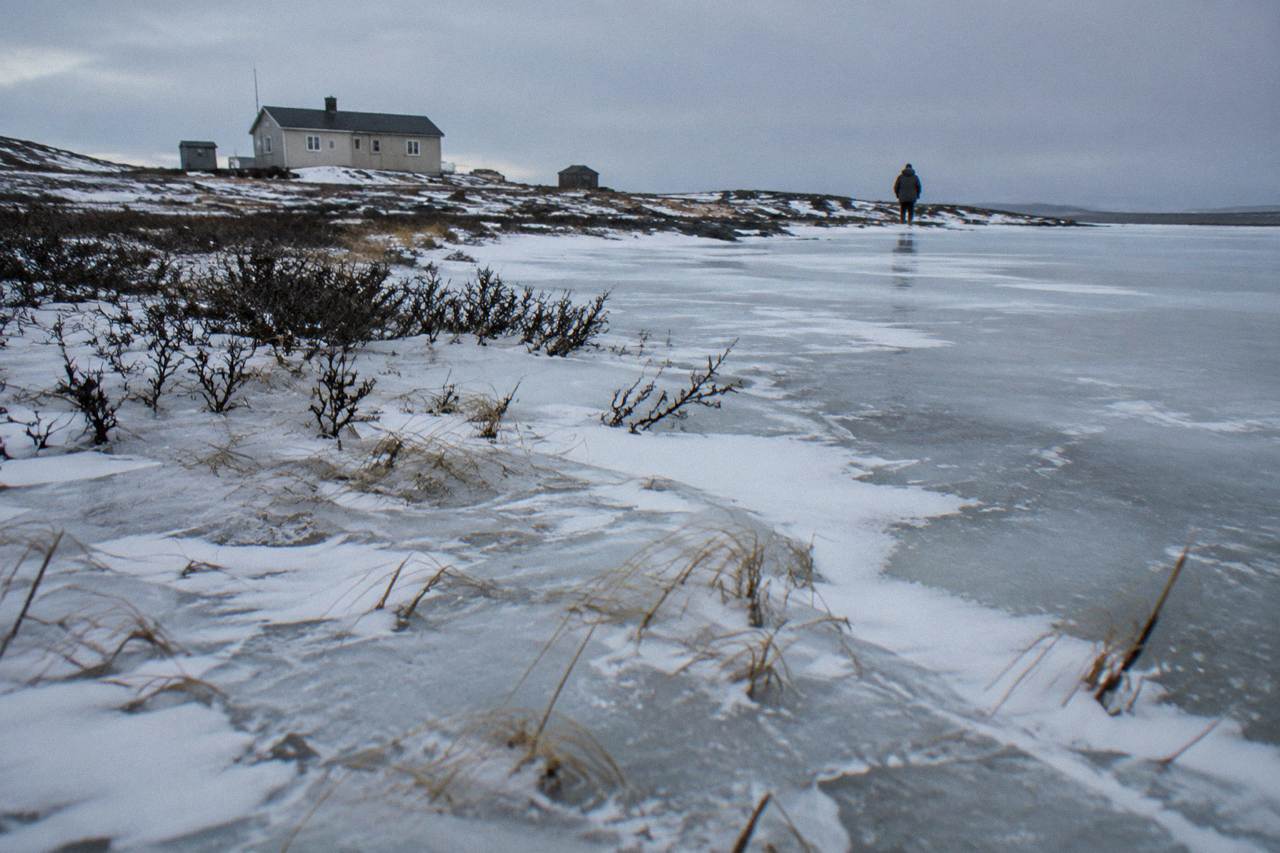
The outer shell's job is wind. Churchill's cold is a wind cold; the bay is open water until roughly early November, per the Churchill Northern Studies Centre, and that water feeds every gust coming onshore. A shell that blocks wind over your insulating layers will do more for your comfort than upgrading the insulation itself.
| Layer | Job | What works | Common mistake |
|---|---|---|---|
| Base | Move sweat off skin | Synthetic or wool, top and bottom | Cotton, which stays damp |
| Mid | Trap warm air | Fleece or insulated puffy, ideally two pieces | One fixed heavy coat |
| Outer | Block wind | Windproof, insulated shell | A knit sweater as the outermost layer |
| Head and neck | Cut wind at the collar | Hat, scarf or buff, hood | Bare neck between jacket and hat |
| Hands | Keep fingers working for cameras | Insulated mitts over liner gloves | Thin gloves alone on the deck |
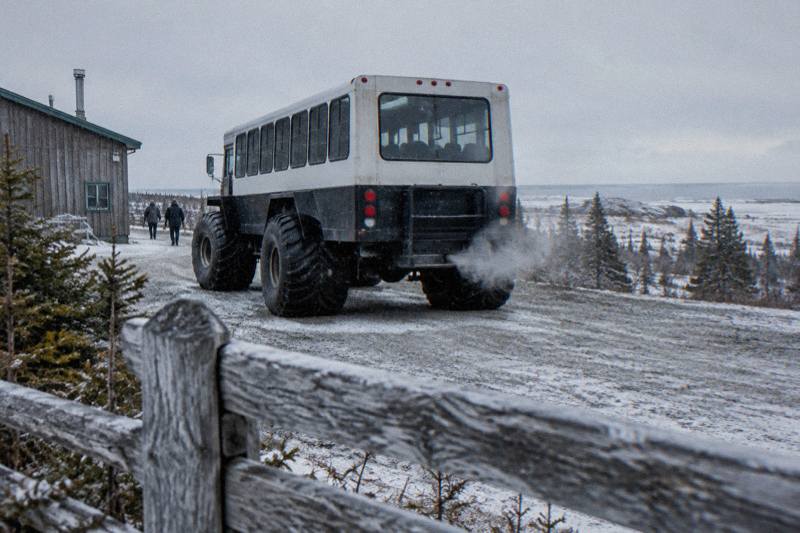
One guest review on the live listing for the buggy day trip mentions the vehicle directly: "Great lunch and the buggy was warm and comfortable." That is the pattern to plan around. You are not dressing to survive eight unbroken hours outside; you are dressing so that every exit onto the grated-metal rear deck, where the best viewing happens, is a choice you make gladly rather than one you ration.
The three tours above cover the three ways this clothing gets used. The buggy day is the deck-and-cabin cycle described here. The six-day package from Winnipeg adds dog sledding and town walking to the same wardrobe. The private aurora night drive is a different problem entirely: five hours standing in the dark, in a vehicle you can warm up in, which rewards the same layers plus more attention to feet.
What Boots, Socks And Hand Protection Work On The Tundra?
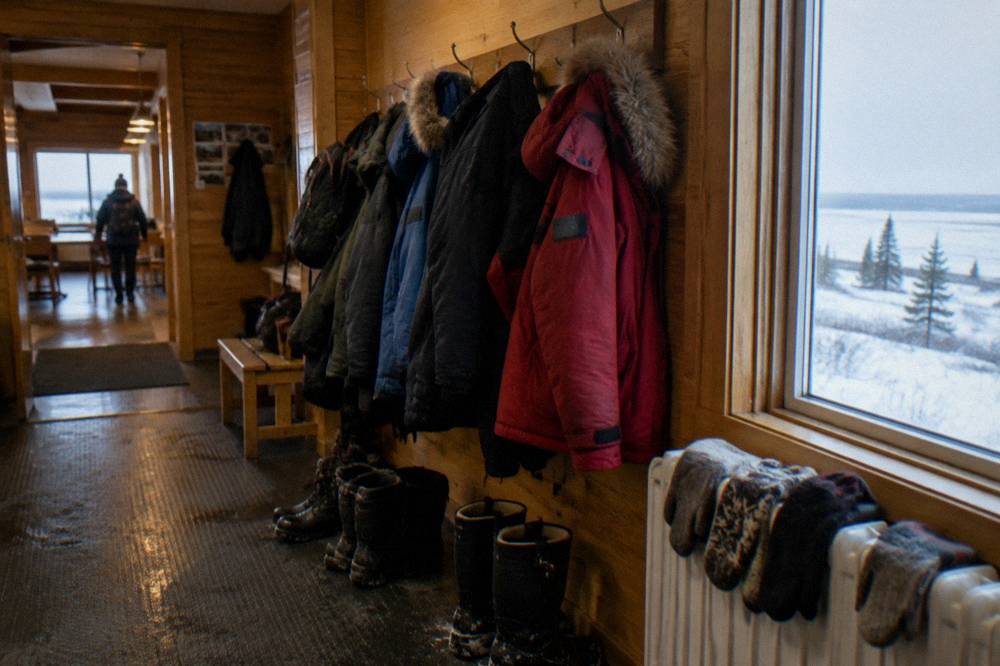
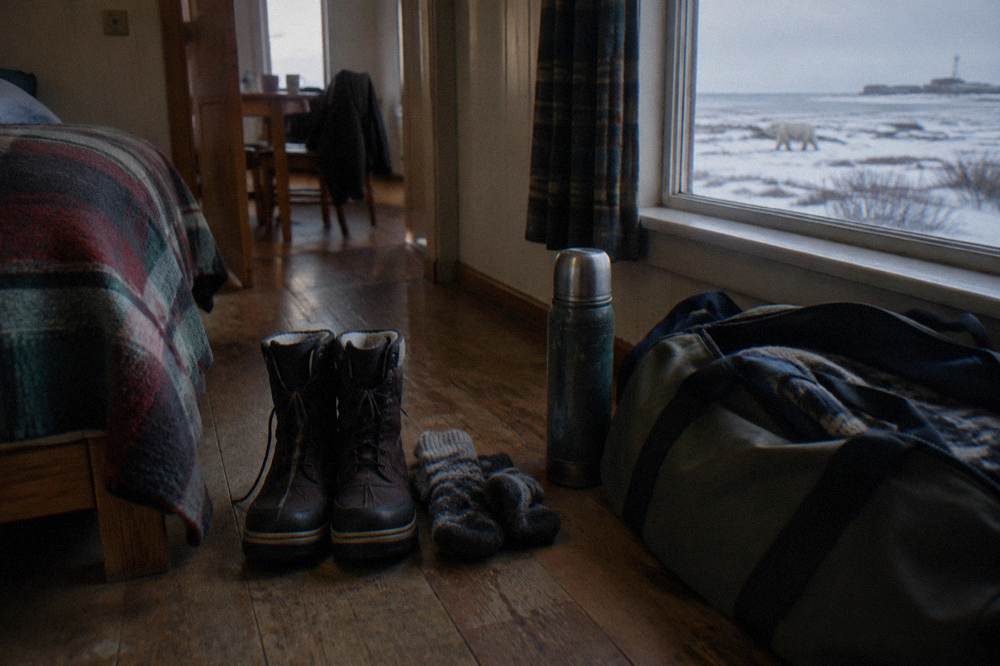
Insulated, waterproof winter boots with a thick sole are the single most important clothing item on this trip, ahead of any jacket, because the rear viewing deck has a grated metal floor and you stand on it, mostly still, for long stretches. Chemical hand warmers are cheap insurance. Thin gloves will not survive photography duty on the deck.
The deck detail is worth dwelling on. Frontiers North's own pages describe the Tundra Buggy's rear viewing platform with a grated metal floor, and metal grating in wind is the coldest surface your boots will meet all day. Cold conducts up through a thin sole quickly. A boot rated for deep winter, with a thick insulating sole and room for a heavy sock, is what keeps you on the deck watching a bear instead of back in the cabin warming your feet.
Socks follow the same layering logic as the rest of the outfit. A thin liner sock under a heavy wool sock lets the two layers slide against each other instead of your skin, which prevents blisters during the walks in town, and traps a second layer of air inside the boot. Boots should be roomy enough to wiggle your toes: a boot laced tight enough to restrict circulation is colder, not warmer, because warm blood flow is what keeps feet warm.
Hands are the hard case, because cameras make people take gloves off. The workable pattern is a pair of thin liner gloves you can shoot in, with insulated mitts worn over them between shots. Mitts are warmer than gloves at the same bulk because fingers share one air space. Chemical hand warmers, the disposable kind sold at hardware and outdoor stores everywhere, tuck into the mitts or into boots, and there is no reason to travel to Churchill without a handful of them.
One honest note: no verified source publishes an official Churchill boot or hand-warmer recommendation. The operator's pre-departure page gives the temperature range and leaves the specifics to you, and there is no official wear advice beyond that. Everything in this section is layering principle applied to the verified climate and vehicle facts, not a copied list.
What Does The Operator Supply On A Tundra Buggy Day?
The listing and the operator's own pages confirm the buggy is heated fleet-wide, has a single-use bathroom near the back, a window for every guest, and a lunch of sandwiches, soup, cookies and beverages served aboard; check-in is about 7:45 a.m. at Fifty Eight North, with a return around 5 p.m. Clothing is not supplied, so everything you wear is your own.
That is the practical division of labour on the eight-hour buggy day: the operator supplies the warm vehicle, the food and the licensed access to the Churchill Wildlife Management Area, and you supply everything you wear. The listing for the exclusive day trip, from $484 USD per person, states the eight hours, the 40-passenger vehicle and the lunch aboard; Frontiers North's own pages add the vehicle specifics, including the 1.7 m tires and the drop-down, frost-free windows.
The window detail matters for clothing more than it first appears. Frost-free windows mean you can watch from inside the cabin in genuine comfort, and the operator states there is a window for every guest. The deck is for the moments when a bear is close. Your outfit should make both positions viable, which is another argument for the removable mid layer: the cabin is warm enough that a full three-layer setup indoors becomes its own problem.
| What the operator supplies | What you bring yourself |
|---|---|
| Heated vehicle, fleet-wide per the operator | Base, mid and outer layers |
| Single-use bathroom near the back of the buggy | Insulated waterproof boots and heavy socks |
| A window for every guest | Hat, scarf or buff, windproof hood |
| Rear deck viewing platform | Mitts over liner gloves, hand warmers |
| Lunch: sandwiches, soup, cookies, beverages | Sunglasses for low-angle sun on snow |
| Licensed access to the wildlife management area | Camera batteries kept warm inside a pocket |
Cold is also a battery problem, and it belongs in a clothing article because the fix lives in your pockets. Camera and phone batteries drain fast at tundra temperatures, and the standard practice is to carry spares in an inside pocket against your body, moving them to the device only when needed. The same inside pocket is where hand warmers live between uses.
The booking side has one clothing-relevant warning: the buggy day listings are non-refundable and cannot be changed once booked. Buy the boots before you buy the tour, not after, because there is no rebooking window to fix a wardrobe realization. The full price picture, including how the six-day package from Winnipeg at from $7,926 USD per person compares, is laid out in the polar bear tour cost guide.
How Does The Weather Shift Between October And November?
The station normals show October's mean daily temperature at minus 1.15 C and November's at minus 12.70 C, a gap of nearly twelve degrees in the monthly average, and Frontiers North tells autumn guests to plan for minus 13 to minus 2 C across the season. In practice, an early-October trip and an early-November trip are two different packing problems wearing the same tour name.
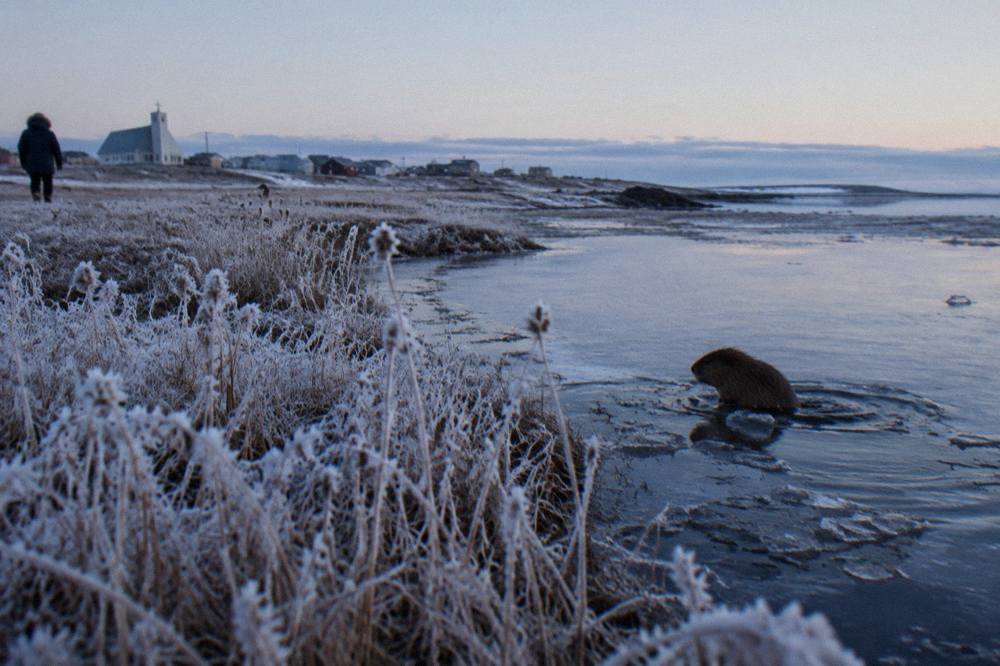
Early October in Churchill is late autumn: mean highs still above freezing, mean lows a few degrees below, and the possibility of days where a heavy fleece under a shell is genuinely enough. The bay is open water, so wind is constant, but the deep cold has not arrived. By early November the mean daily temperature has dropped past minus 12 C, overnight lows average near minus 16 C, and the same tour runs in full winter conditions. Freeze-up on the bay near Churchill comes roughly in early November, per the Churchill Northern Studies Centre, and the bears are waiting for exactly that ice. More of these guides are collected on Churchill Polar Bear Tours Canada.
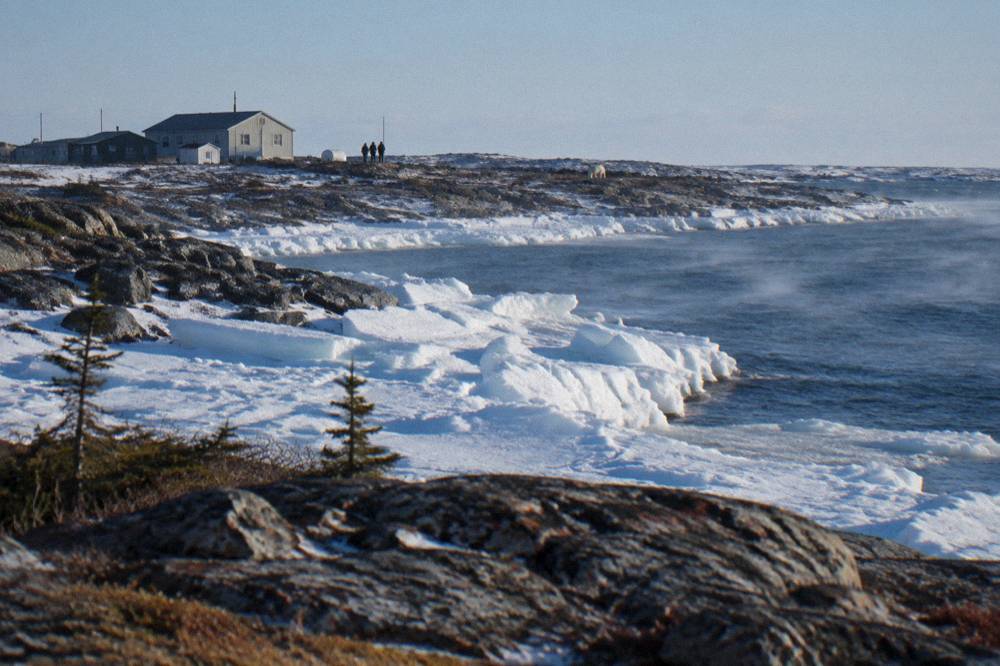
The layering system in this guide is built precisely because of that spread. A fixed outfit tuned for minus 2 C is wrong at minus 13 C, and an outfit tuned for minus 13 C is sweltering in the heated cabin on a milder day. Three removable layers, insulated boots and windproof everything covers the whole range the verified data shows, without needing to know your exact departure date in advance.

Booking lead time is the other thing the calendar controls. Travel Manitoba advises planning and booking at least a year in advance for the October to November peak, and the buggy day tours are known to sell toward capacity. If your dates are fixed and late in the season, book the tour and pack for the bottom of the range; if your dates are flexible, an earlier October week buys you milder conditions and the same bears.
The six-day package from Winnipeg changes the packing math in one direction only: more of the same. Six days means more chances of a windy day, more town walking between tundra days, and a 70 lb luggage limit split as 50 lb checked and 20 lb carry-on on the included flights, so the layers you bring need to earn their weight. The package carries a firm 4.8 rating from 59 reviews on its listing, and one guest review, from Michelle G., sums up the experience: "This tour was beyond amazing and exceeded expectations! Such a unique experience to see polar bears in their natural habitat and very well organized."
What Should Aurora And Winter Visitors Add To The Kit?
For the private aurora night drive, a five-hour outing from $702 USD per private group of up to five, add a second insulating layer and prepare for standing outside in the dark, because aurora watching means stillness, and stillness is the coldest activity there is; the vehicle is warm, but you will not want to be in it when the sky lights up.
Night cold is a different animal from daytime cold. The aurora season runs late August to April, with February and March the darkest and clearest months per Travel Manitoba, and Churchill sits directly under the auroral oval. A five-hour night drive means standing at viewpoints in the dark, often with no windbreak at all, and the temperature at midnight sits near the daily minimum, not the mean. The same three-layer system scales up: simply double the mid layer and add the thickest socks you own.
Feet and hands again dominate. Standing on frozen ground for twenty minutes at a time is what defeats thin footwear, and the aurora photographer's problem is bare fingers on a metal tripod in the dark. The private aurora tour lists hotel pickup and free cancellation up to 24 hours before start, which makes it the most flexible booking on the roster and a reasonable add-on to any Churchill stay.
| Season | Verified temperature basis | Layering emphasis |
|---|---|---|
| Early October bear season | Mean daily minus 1.15 C; operator range to minus 2 C | Standard three layers, windproof shell |
| November bear season | Mean daily minus 12.70 C; operator range to minus 13 C | Doubled mid layer, full winter boots |
| Aurora nights, August to April | Night lows near the daily minimum; February and March darkest | Two mid layers, heavy mitts, boot warmers |
| Summer beluga season, July and August | Mean daily 12.28 to 12.66 C | Light layers and a waterproof shell |
The summer row is there for a reason: the seven-day beluga package runs in July and August, when Churchill's mean daily temperature sits in the low teens and the packing problem inverts entirely. The beluga season runs mid-June to mid-September with July and August the peak window, per Travel Manitoba, which counts about 57,000 whales into Hudson Bay each year with about 4,000 entering the Churchill River estuary. If you are weighing a summer trip against a bear-season one, the wardrobe is one of the real differences between them.
What Should You Rent Rather Than Buy?
Rent the big, expensive, single-purpose items, insulated parkas and deep-winter boots, only if you have no other use for them at home, and buy the small items outright; no Churchill operator on this roster rents clothing, so any rental happens through gear shops in Winnipeg before you travel, and the research sweep found no verified Churchill rental price, so treat any rental figure you see elsewhere with caution.
The economics are simple. A proper insulated parka and rated winter boots are a meaningful purchase for a trip you may take once, and Winnipeg, as the departure city for the packages and the origin of the flights and the two-a-week train, is where a traveller without winter gear would logically source it. What no verified source provides is a Churchill-area rental price for that gear; check with the gear shops directly. Plan the rental possibility, budget it as an unknown, and confirm the current rate with the shop directly.
The small items are never worth renting. Base layers, liner gloves, hand warmers, a buff and thick socks are inexpensive anywhere and are things you will use again on any cold trip. The one item that deserves real money rather than a rental compromise is the boots, because a rental boot that fits badly is worse than no boot at all on a grated metal deck.
The private road safari option sidesteps part of the problem. It lists pickup from your Churchill hotel, airport or railway station, from $1,474 USD for a private group, and it is a vehicle-based day with a flexible pace set by your group. You are still outdoors at viewpoints, so the layers still matter, but you are never far from the warm car. It is a new listing with no reviews yet, so there is no guest experience to cite, only the listing's own description.
For the full picture of getting to Churchill, which shapes how much luggage you can physically bring, the how to get to Churchill guide covers the train, the flights and the no-road reality. The short version: the packages cap luggage at 70 lb total on the included flights, and the train has checked baggage only at certain stations.
A Final Checklist Before You Zip The Bag
Pack the three layers, insulated waterproof boots with room for two socks, mitts over liners, hand warmers, a windproof hood and sunglasses, and check the departure week against the normals table, because the difference between an October and a November departure is roughly twelve degrees in the monthly mean and the whole wardrobe follows it.
The checklist below is the entire guide compressed. It assumes the heated buggy, the grated deck, the walks in town and the possibility of an aurora night, which is the full spread of what a Churchill trip asks of your clothing.
| Item | Why it earns its place |
|---|---|
| Two base layers, synthetic or wool | One worn, one dry, for multi-day trips |
| Two mid layers, fleece or puffy | Lets you tune for cabin versus deck |
| Windproof insulated shell | The bay wind is the constant of every season |
| Insulated waterproof winter boots | The grated deck floor is the coldest surface of the day |
| Liner socks plus heavy wool socks | Blister control on town walks, warmth on the deck |
| Mitts over liner gloves | Photography without losing fingers |
| Chemical hand warmers | Cheap, weightless, decisive |
| Hat, buff or scarf, hood | The collar gap is where wind gets in |
| Sunglasses | Low sun on early snow is genuinely bright |
| Spare camera batteries in an inside pocket | Cold drains batteries faster than use does |
One last note on the town itself. Churchill is a place where doors are often left unlocked so anyone can shelter, a habit of a community that lives with the Polar Bear Alert Program's 24-hour hotline at 675-2327, and where the standing advice from Manitoba's own safety publication is to stay on main, well-lit streets if walking is necessary. Your clothing should make a short walk in the dark a non-event: that means the shell, the hat and the warm boots come on the trip even if the forecast looks mild. The safety background, including the holding facility near the airport and the Wapusk National Park rule that a licensed guide is required for all park activities, is covered in full in the polar bear safety guide on this site, and Manitoba's safety publication is the primary source for the walking rule (see The 3 Bear Rule).
Churchill rewards preparation in a way few destinations do. The cold is real, the data is published, the vehicle is heated, and the difference between a miserable day and an unforgettable one is very often a pair of boots.
Common Questions About What To Wear In Churchill
What To Wear In Churchill For Polar Bear Tours?
Dress in three removable layers, a moisture-wicking base, an insulating mid layer and a windproof shell, over insulated waterproof boots, planning for the operator's stated autumn range of minus 13 to minus 2 C. The buggy is heated, so the system exists for the outdoor rear deck, not the cabin.
How Cold Is Churchill During Polar Bear Season?
The verified station normals show a mean daily temperature of minus 1.15 C in October and minus 12.70 C in November, and Frontiers North tells autumn guests to expect minus 13 to minus 2 C, with stronger winds pushing it lower.
Is The Tundra Buggy Warm Enough That I Can Pack Lighter?
The vehicle is heated fleet-wide with a window for every guest, and one guest review calls the buggy warm and comfortable. But the best viewing happens on the open rear deck, which has a grated metal floor, so pack for standing outside, not for the cabin.
Do I Need Winter Boots Or Will Hiking Boots Work?
Insulated, waterproof winter boots with a thick sole are the recommendation, because the rear deck's grated metal floor conducts cold straight through a thin sole while you stand still watching bears. Room for a liner sock under a heavy wool sock is part of the fit.
Does The Tour Operator Supply Clothing Or Winter Gear?
No. The listing and the operator's pages confirm the heated vehicle, the bathroom, the windows and the lunch aboard, but clothing is not supplied. No verified Churchill rental price for winter gear was found, so arrange any rental in Winnipeg before you travel and confirm rates directly.
What Should I Add For A Northern Lights Night In Churchill?
Add a second insulating mid layer and your warmest socks, because aurora watching means standing still in the dark near the daily minimum temperature, and February and March are the darkest, clearest months per Travel Manitoba. Mitts over liner gloves matter most for anyone holding a camera or tripod.