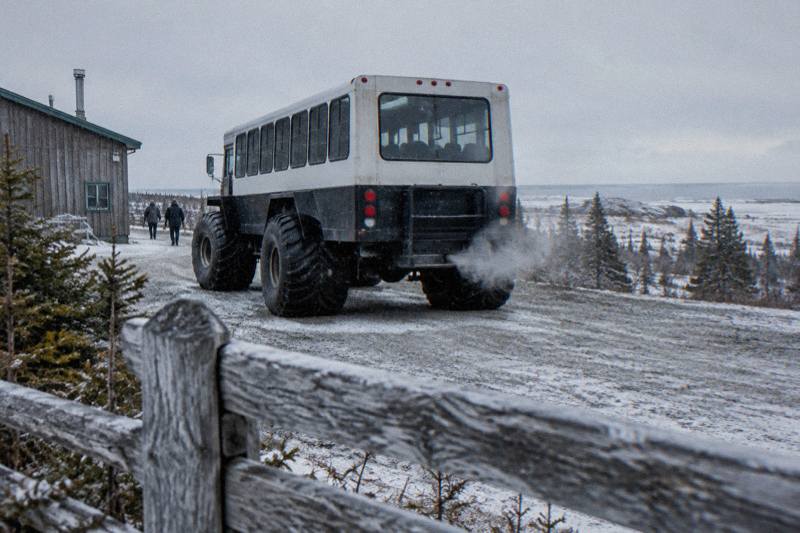
Polar Bear Safety In Churchill
Polar bear safety in Churchill is a system: a provincial alert program, a control zone around town, licensed vehicles in the wildlife management area, and a licensed-operator rule inside Wapusk National Park. Here is how each layer works, and what it means for the tour you book.
Short answer
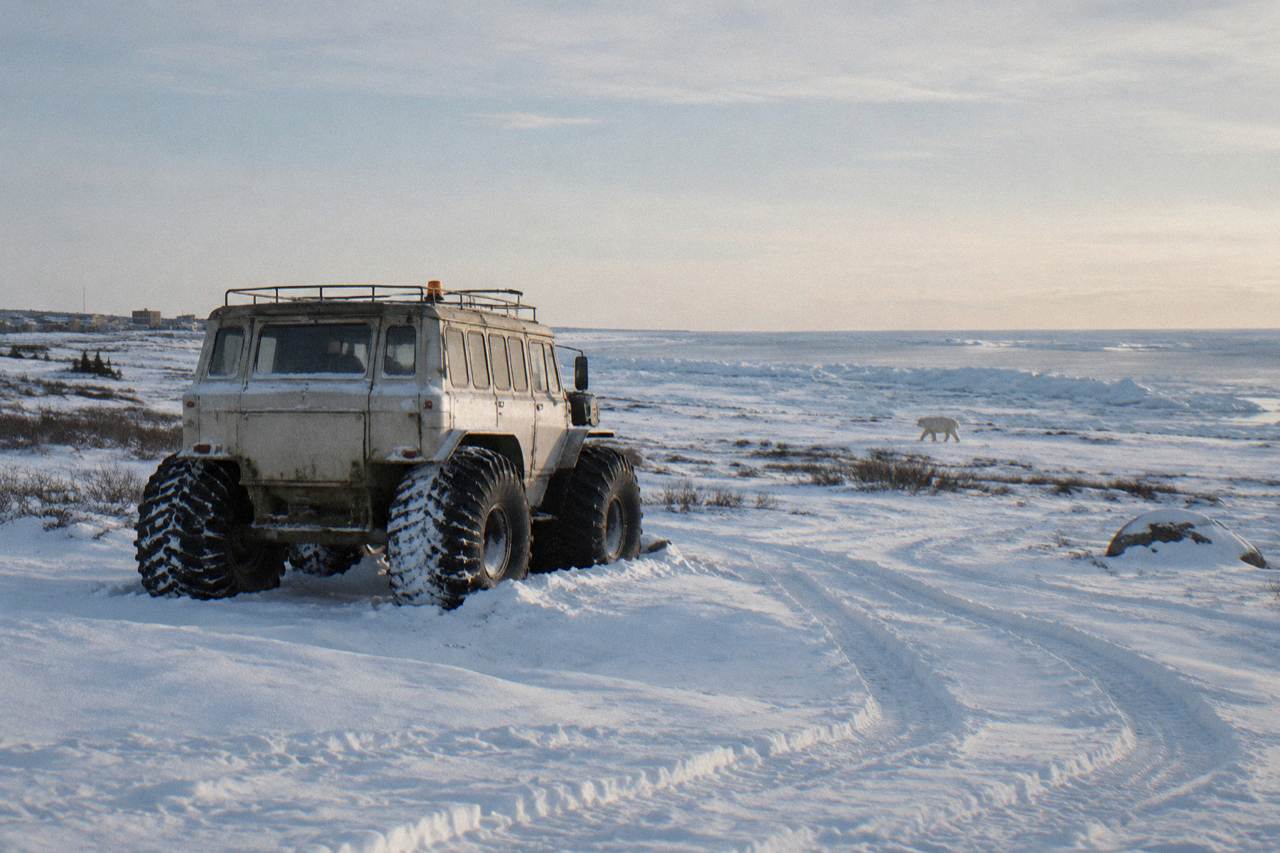
Churchill keeps visitors safe through layered rules: the Polar Bear Alert Program monitors a 24-hour hotline at 675-2327, licensed Tundra Buggy vehicles carry guests in the Churchill Wildlife Management Area, Wapusk National Park requires a licensed operator, and town walking is restricted to main, well-lit streets. No tour can promise a sighting, and none is needed for safety.
Churchill sits in the middle of one of the densest seasonal gatherings of polar bears anywhere on the planet. From mid-October to mid-November, Travel Manitoba reports, an average of 600 bears roam the Hudson Bay shore waiting for the ice to form, right outside a town of about 900 people. Yet the town has no fence, no moat and no armed patrols walking the streets. The safety that does exist is a layered system: a provincial alert program with a hotline, a regulated control zone, licensed tour vehicles in the Churchill Wildlife Management Area, and a strict licensed-operator rule inside Wapusk National Park. Those protections raise an obvious question for visitors on foot, and the guide to walking safely in Churchill explains what the town's rules actually allow.
That system is what a first-time visitor is really buying when they book a tour. The worry that blocks most bookings is not the cold or the price, it is the image of standing on open tundra with an apex predator nearby. This guide walks through each safety layer as it actually operates, from the hotline number to the grated metal floor of a buggy's rear deck, and explains why the safest place to view bears in Churchill is inside a licensed vehicle run by an operator who works inside these rules every day. If you're weighing which operator to trust with that responsibility, our guide to choosing a Churchill polar bear tour company compares the outfits you can actually book with.
How Do Licensed Tours Keep Guests Safe Around Polar Bears?
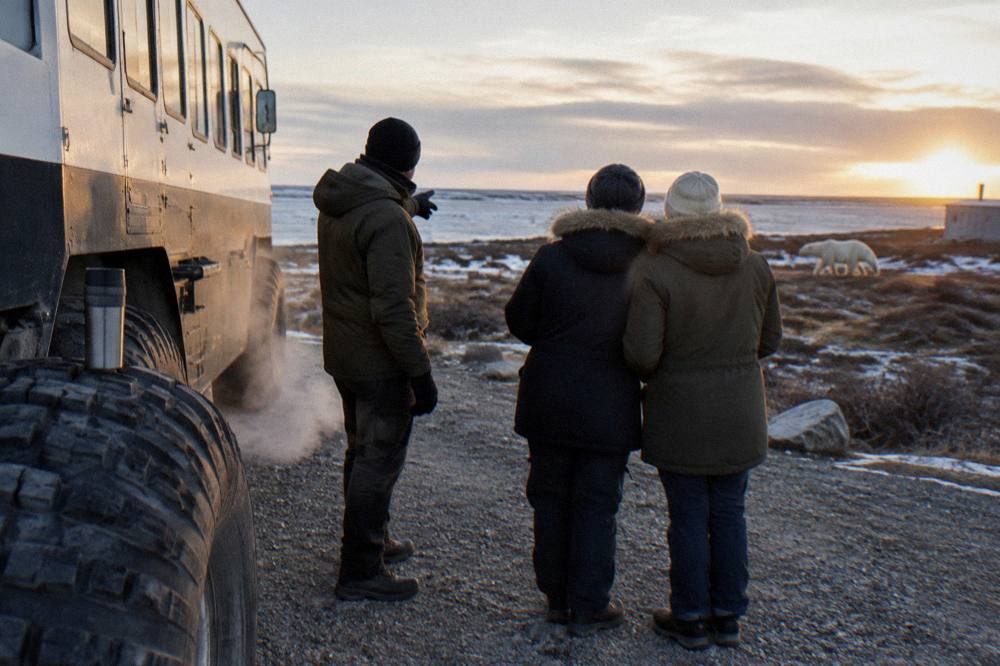
Licensed tours keep guests safe by keeping a regulated barrier between people and bears at all times: guests ride in licensed vehicles inside the Churchill Wildlife Management Area, view bears from an elevated deck roughly ten feet or more above the ground, and follow operator protocols built around the provincial regulation that governs vehicle use in the management area. No licensed tour walks guests toward a bear.
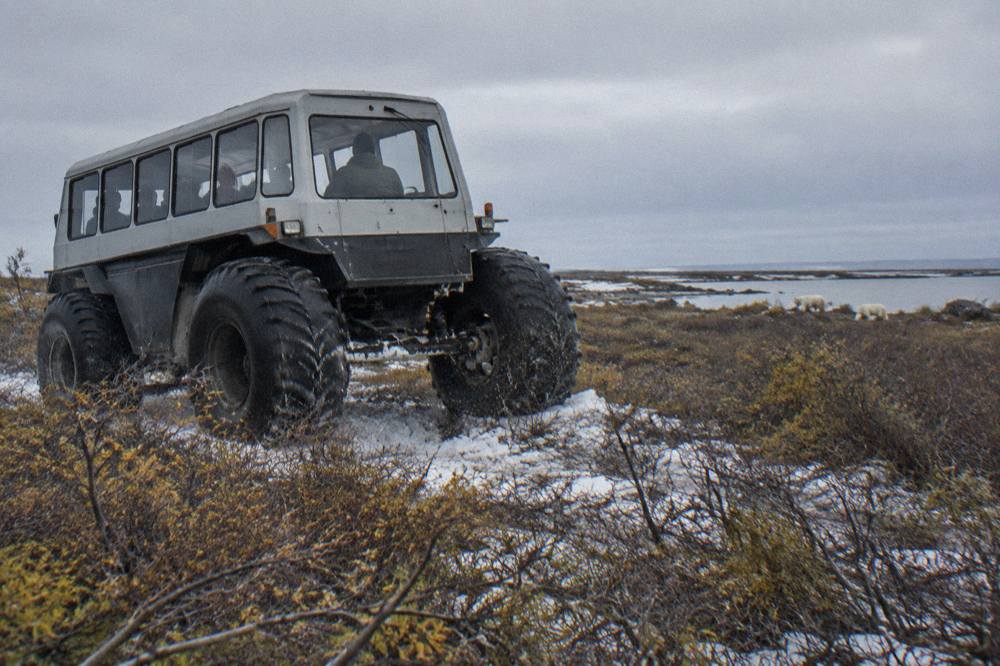
The legal backbone is the provincial regulation covering the Churchill Wildlife Management Area. Under it, no person supplying accommodation or touring facilities may operate a vehicle or build and occupy a structure in the management area except under the terms of the regulation, which is to say as a licensed operator. What that means in practice is that the vehicles you see rolling out of town toward the coast in October are not informal: they are permitted operations, running set activity inside a zone the province controls. A traveller who books a seat in one is inside that system rather than outside it.
The design logic of every legitimate bear tour in the Churchill area is separation. Elevated viewing is the core of it: bears move at ground level, guests view from a raised deck, and the height differential is the safety mechanism. Fresh reporting on tundra vehicles notes that bears in the management area are habituated to the vehicles and may approach or even stand against them, which sounds alarming but is the opposite: the vehicle is a known, immovable object the bears have learned to ignore, and the deck height keeps the encounter entirely one-directional. Walking safaris, by contrast, run ground-level guided excursions in remote coastal areas under different permits, a format compared in detail on our tundra buggy versus walking safari page.
Within the roster of tours sold on this site, the safety formats differ mainly in how the barrier is built. The eight-hour buggy day with lunch aboard, run by Frontiers North Adventures, uses a 40-passenger Tundra Buggy with a rear viewing deck. The six-day package from Winnipeg layers the same buggy days inside a fully organized itinerary with a group capped at 22 travelers. The private road safari stays on roads around Churchill and the Hudson Bay coast in a heated SUV with your own guide, a format that trades tundra access for a flexible pace and hotel pickup. None of the three involves approaching a bear on foot.
| Tour format | Barrier between guest and bear | Regulatory layer | Group size |
|---|---|---|---|
| Tundra Buggy day tour | Elevated vehicle deck, licensed operation | Churchill WMA regulation | 40-passenger buggy |
| Six-day package from Winnipeg | Buggy days plus organized town time | Churchill WMA regulation | Max 22 travelers |
| Private heated SUV road safari | Closed vehicle on roads, guide-driven | Road and area rules | Private group |
| Walking safari (not on this roster) | Ground-level guides and permits | Separate permits, remote coastal areas | Small guided groups |
The point worth holding onto is that safety in Churchill is not improvised by each operator. It is a shared framework the operators plug into, and the framework is older and more tested than any single booking window. The rest of this guide breaks that framework into its parts.
What Is The Polar Bear Alert Program In Churchill?
The Polar Bear Alert Program is Manitoba Conservation's preventive system for keeping bears out of the townsite: it maintains a controlled zone where bears are not permitted, responds to public reports via a hotline monitored around the clock in the active season, uses aversive hazing first, and holds persistent bears in the Polar Bear Holding Facility near the airport until they can be released onto the ice.
The program's own description, on the Manitoba government's polar bear pages, is that the province works to protect polar bears, people and property in the Churchill area. The mechanics are straightforward. A controlled zone covers the townsite and the dump. Bears found inside it are not tolerated, because a bear that learns town contains food will return. Outside the zone, staff respond to public reports. The first tool is aversive conditioning: noisemakers, paintballs and rubber bullets used to haze a bear away. A bear that persists, or that poses a risk, is live-trapped and moved to the holding facility.
The hotline is 204-675-2327, or 675-BEAR, monitored 24 hours during the active season, which generally runs mid-summer through late fall. This is the number posted around town, and it is the single most useful piece of safety information a visitor can carry. A sighting is reported immediately, not photographed first and reported later. The town publishes zone maps and a "Safety in Polar Bear Country" pamphlet, and the town's own services page carries the safety material alongside its listings. The full story of the holding facility, including why the bears held there are not fed, is on our polar bear alert and polar bear jail guide.
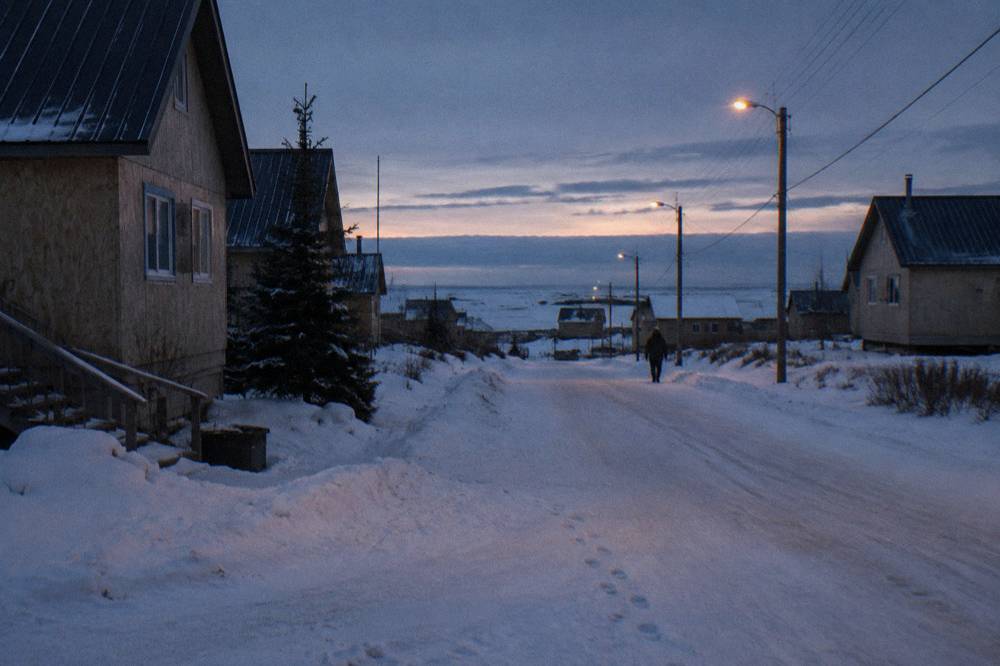
The holding facility itself, a former military building near the airport, holds problem bears in up to 28 cells, including family-group cells, for an average of about 30 days or until the sea ice forms. The bears are not fed while held, deliberately, so that no bear learns to associate captivity or town with food. It is not open to the public inside; visitors see it from outside, if at all. The program handles dozens of bears in a typical year.
| Alert Program layer | What it does | What a visitor does with it |
|---|---|---|
| Controlled zone | Bears not permitted in townsite and dump area | Know the zone exists; do not leave food or waste around |
| 24-hour hotline, 675-2327 | Takes public reports during active season | Report any sighting immediately |
| Aversive hazing | Noisemakers, paintballs, rubber bullets used first | Stay clear; let staff work |
| Holding facility | Holds persistent bears, up to 28 cells, about 30 days average | View from outside only, not open inside |
For a tour guest, the program matters in two ways. First, it is why the town itself stays habitable during bear season: the system works, year after year, and a visitor arriving in October is arriving into a managed situation, not an unmanaged one. Second, it sets the cultural norm that every local follows, and licensed operators follow it too. Guests on the eight-hour buggy day or the six-day package are briefed in the same terms the town briefs itself: report, do not approach, stay with your group.
How Does Tundra Buggy Design Protect Guests And Bears?
The Tundra Buggy protects both species at once: guests ride and eat inside a heated, mesh-backed vehicle with a window for every seat, view bears from a rear deck with a grated metal floor raised above bear reach on 1.7 m tires, and use a single-use bathroom near the back, so eight hours on the tundra never requires anyone to step outside the vehicle.
The operator's own pages describe the vehicle in detail, and the details are all safety features. The tires alone stand 1.7 m, or about 5.5 feet, high, which sets the deck height and keeps the viewing platform above a standing bear's reach. Every guest gets a window. The rear deck is an outdoor viewing platform with a grated metal floor, which sounds like a minor point until you understand it: the grate lets guests stand in open air with a camera while the vehicle's structure, not a railing, is the barrier. The fleet is heated, which matters for the buggy's winter use and for an October day when the mean temperature sits around minus 1 C and the wind pushes it lower.
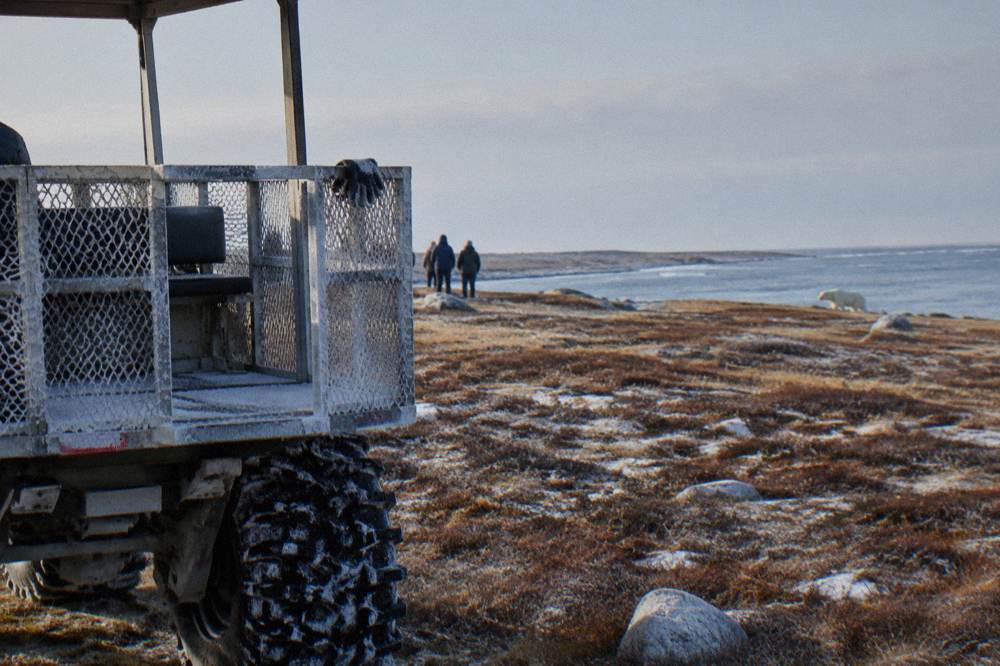
The single-use bathroom near the back is the feature that closes the safety loop for a day tour. An eight-hour outing on the tundra, with check-in about 7:45 a.m. at the Fifty Eight North shop and a return about 5 p.m., would otherwise require a stop, and a stop in the management area is exactly what the design is built to avoid. Lunch of sandwiches, soup, cookies and beverages is served aboard for the same reason. The vehicle never opens as a matter of routine, so the barrier holds for the full day. For guests wondering about the practical side, our do Tundra Buggies have bathrooms post covers the vehicle's onboard facilities in detail.
The day tour that uses this vehicle is the one we feature throughout this site, the eight-hour buggy day with lunch aboard, priced from $484 per person, rated 4.6 from 30 reviews on its listing. Guest reviews on that listing describe the format working as designed. One guest, Debbie from Canada, wrote: "Everything was organized, efficient and our safety and the bear's safety was the top priority." Another, Samantha from the United Kingdom, noted "the buggy was warm and comfortable." Those are individual guests' days, not promises, but they describe the same system: a licensed vehicle, an enclosed day, and a guide whose brief is the safety of both species.
| Buggy feature | Safety function |
|---|---|
| 1.7 m (5.5 ft) tires | Sets deck height above a standing bear |
| Rear deck, grated metal floor | Open-air viewing with the vehicle body as the barrier |
| Window for every guest | Enclosed viewing at seat height |
| Single-use bathroom near the back | No routine stops outside the vehicle |
| Heated fleet | Warmth across an eight-hour day in cold conditions |
| Lunch served aboard | No meal stop in the management area |
The design also protects the bears, which is not a side effect but a goal. A vehicle that never feeds, baits or approaches a bear, and that bears have habituated to as a neutral object, lets thousands of guests view the migration each year without a single bear learning anything dangerous from the encounter. The listing for the buggy day states the operators' approach plainly: elevated decks give a safe vantage for polar bears, Arctic fox and other tundra wildlife.
What Are The Rules For Walking Around Churchill?
The walking rules in Churchill are strict and simple: if walking is absolutely necessary, stay on the main, well-lit streets, never walk in dimly lit areas or take shortcuts, report any bear sighting immediately to the hotline at 675-2327, and note that doors around town are often left unlocked so anyone can shelter inside quickly.
The Manitoba government's safety guidance for Churchill states the main-street rule in almost exactly those words, and it is the rule locals quote to visitors. The logic is that the Alert Program's controlled zone and its staff cover the townsite, and a person on a main, well-lit street is inside the managed area and visible. A person on a dim shortcut behind buildings is outside the effective system. The same guidance adds the practice that surprises most visitors: doors in Churchill are often left unlocked, deliberately, so that anyone who needs shelter can take it without fumbling for a key. Our is it safe to walk around Churchill post takes the question head on.
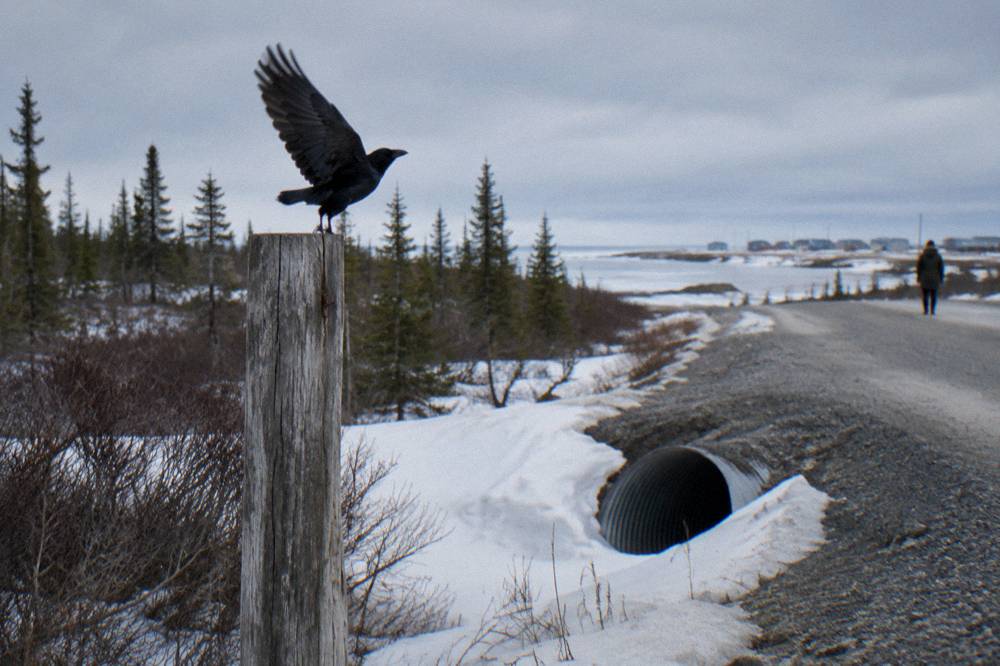
For tour guests, the walking rules matter most in the hours around the tour itself. The buggy day tours depart from a meeting point, the Fifty Eight North shop for the autumn day tour, rather than offering hotel pickup, so guests walk to check-in in the early morning dark of late October. The packages from Winnipeg include town time in Churchill between tundra days, and that town time is walked. The two private tours, the road safari and the aurora night drive, are the only roster listings that include pickup, at your hotel, the airport or the railway station, which removes the walking question entirely for those formats.
| Situation | What the rules say |
|---|---|
| Walking in town, necessary trip | Main, well-lit streets only |
| Dimly lit areas and shortcuts | Never |
| Seeing a bear | Report at once to 675-2327, do not approach |
| Needing shelter fast | Doors often left unlocked, go inside |
| Out on the tundra | Only with a licensed operator, never independently |
The rule that does not exist is the one sometimes asked about: a "3 bear rule" for the town. Neither Manitoba Conservation nor Parks Canada publishes such a rule, so treat any mention of it as folklore rather than policy. The real rules are the ones above, and they are enforced by a program that has run for decades. Curious where that rumor came from in the first place, our explainer on the so-called three bear rule traces the myth and lays out what actually applies in Churchill.
Why Does Wapusk National Park Require A Licensed Guide?
Wapusk National Park requires a licensed operator for all activities inside it because it is a high-risk polar bear area with no road access: visitors must arrange transportation by aircraft with a licensed tour operator, there is no independent access or camping, garbage must be packed out, and fires are prohibited, all under Parks Canada regulation.
Wapusk, which covers 11,475 square kilometres east of Churchill and was established in 1996, is where the Western Hudson Bay bears den. Parks Canada's own visitor pages state the position without softening it: a licensed tour operator is required for all activities in the park, and there are no roads in, so access itself is arranged through permitted operators. For a traveller, this means the question "can I go into the park on my own" has a one-word answer, and the answer is no.
The park rules are a stricter tier than the town rules, because the park is bear habitat rather than a managed townsite. No firearms for general visitors. Pack out all garbage. No campfires. Do not disturb, feed, approach or harass wildlife. Obey closures and warnings. The licensed-operator requirement is the mechanism that makes the rest of the rules stick: an operator working under permit is responsible for its guests' conduct inside the park, which is why the requirement exists in the first place.
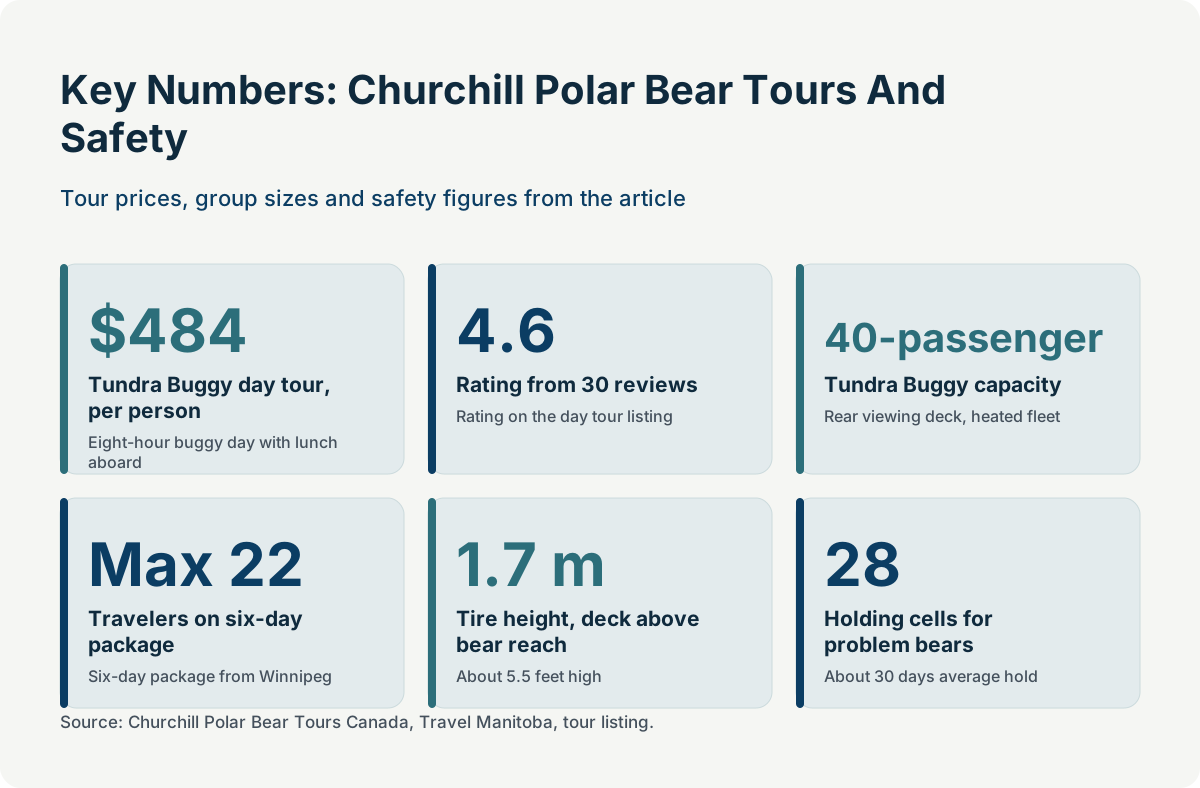
The distinction that matters for a booking decision is this: none of the seven tours sold on this site enters Wapusk. The buggy tours run in the Churchill Wildlife Management Area, a provincial zone west and around town, under the WMA regulation described earlier. Wapusk's licensed-operator rule is the reason a Churchill bear tour is a vehicle tour in the management area rather than a park trip, and it is why any product claiming independent park access should be treated with suspicion. The six-day package from Winnipeg, rated 4.8 from 59 reviews and priced from $7,926 per person with flights both ways included, keeps its tundra days inside the licensed management-area system the same way the day tours do, just across more days and with a smaller group cap of 22.
What Training And Protocols Do Polar Bear Tour Guides Follow?
Guides on licensed Churchill bear tours work inside a defined safety framework: they operate under the WMA vehicle regulation, brief guests before departure on board rules and bear behaviour, keep the group inside the vehicle in the management area, coordinate with the Polar Bear Alert Program and Parks Canada systems, and carry the deterrents and bear-aware protocols their permits require. That layered approach is a big reason the history of polar bear incidents in Churchill stays so short.
Public documentation of individual operators' internal training is limited, and this site does not invent details. What is documented is the framework the operators work within, and it is extensive. The vehicle itself is a permit condition: running a touring vehicle in the management area requires a licence under the provincial regulation. The route areas carry access controls. The operator community collaborates with the Alert Program and Parks Canada, and Churchill's own Bear Smart program publishes the community safety guidelines visitors are advised to check operators against. A guest choosing among tours can reasonably ask an operator one question, how do your guides respond to a bear near the vehicle, and expect a specific answer.
The reviews on the roster's listings show what good guiding looks like in practice, in guests' own words. On the six-day package from Winnipeg, one guest, Michelle G., wrote: "Had an awesome guide that always made sure the entire group had everything they needed." On the eight-hour buggy day, Debbie from Canada described a guide who "ensured we had the best experience possible," and Maria from Canada described a guide in truck 9 with "lots of entertaining stories and so knowledgeable." Guest reviews are individual days, not guarantees, but a pattern of guides being praised specifically for organization and safety awareness is the visible edge of the training and protocol framework behind them.
| Safety layer | Who runs it | What it covers |
|---|---|---|
| Polar Bear Alert Program | Manitoba Conservation | Control zone, hotline, hazing, holding facility |
| Churchill WMA regulation | Province of Manitoba | Licensed vehicle operation in the management area |
| Wapusk rules | Parks Canada | Licensed operator required, no independent access |
| Vehicle design | Licensed operators | Elevated decks, enclosed cabins, no routine stops |
| Guide protocols | Licensed operators | Guest briefings, group control, deterrents under permit |
For the private formats, the guide's role shifts but the framework does not. The private road safari, priced from $1,474 per private group, puts one guide with one vehicle and one group for about eight hours, and the listing's own description stresses a flexible pace set by your group rather than a fixed schedule. Flexibility there is route flexibility, not safety flexibility: the vehicle stays on roads, the guide stays with the vehicle, and the same reporting norms apply.
How Should You React If You See A Polar Bear In Churchill?
If you see a polar bear in or near Churchill, report it immediately to the hotline at 204-675-2327, do not approach or harass it, get inside a building if you are on foot, and leave the response to the Alert Program staff whose job it is: hazing first, live trap next, holding facility for a bear that persists.
The sequence is worth stating plainly because panic is the enemy of it. A sighting is called in at once. If you are on foot on a main street, you go indoors, through one of those often-unlocked doors. You do not photograph your way closer. You do not follow the bear to keep it in view. The program's staff handle everything after the call, and they have the tools and the authority to do so.
On a licensed tour, the answer is even simpler: you tell your guide. The guide is in radio or phone contact with the systems around the tour, and the vehicle is already the correct place to be. A bear approaching a buggy in the management area is not an emergency in the way a bear on a town street is; it is the viewing situation the elevated deck is built for, and the guide's job is to manage the vehicle's position and the guests' conduct while it happens. Bears are wild animals and every encounter is different, which is exactly why the protocol, not improvisation, is what keeps every party safe.
Records kept by researchers note fatal attacks in the area in 1968 and 1983, and a non-fatal mauling in town on 1 November 2013 in which two people were injured and both survived. Those records are why the rules exist in their current form, and the decades of incident-free bear seasons since are what the layered system has delivered. The honest framing is that Churchill is a town beside a large predator population, managed carefully, not a place where risk has been abolished. Our how likely are you to see a polar bear post covers the viewing side of the same question.
Which Tour Format Suits A Nervous First-Time Visitor?
A nervous first-time visitor is usually best served by the eight-hour buggy day with lunch aboard, because it keeps the entire day inside one licensed, heated vehicle with a bathroom aboard; the six-day package adds organization and a smaller group cap of 22, and the private road safari adds hotel pickup and a guide's full attention, at a group price from $1,474.
There is no wrong answer among the licensed formats, but the formats differ in how much of the day they control. The buggy day controls all of it: check-in, transfer, eight hours on the tundra, lunch, return, all inside the operator's system. The package controls more days but includes town time, which the walking rules govern. The private road safari controls the pace and the pickup but stays on roads, which suits a visitor whose worry is more about being stranded in a group schedule than about the tundra itself.
Cancellation terms are part of safety planning too, in the unglamorous sense that a booking you cannot change should be a booking you are sure about. The buggy day tours and the packages are non-refundable and cannot be changed, per their listings. The two private tours, the road safari and the aurora night drive, both list free cancellation up to 24 hours before start, which gives a hesitant traveler an out that the Frontiers North listings do not. That difference is worth weighing alongside the safety formats themselves.
| Format | Day controlled by tour | Pickup | Cancellation per listing |
|---|---|---|---|
| Eight-hour buggy day, lunch aboard | Full day, enclosed vehicle | No, meeting point | Non-refundable |
| Six-day package from Winnipeg | Six days, group max 22 | No, Winnipeg meeting point | Non-refundable |
| Private road safari, about 8 hours | Full day, private pace | Yes, hotel, airport or station | Free up to 24 hours before |
| Private aurora night drive, 5 hours | Evening only | Yes, hotel pickup | Free up to 24 hours before |
Whatever the format, the constant is the same one Churchill Polar Bear Tours Canada returns to across every guide on this site: the licensed system is the safety system. Book inside it, follow the walking rules in town, keep the hotline number in your phone, and the town's decades of managed coexistence with the bears work for you the same way they work for the people who live there.
Common Questions About Polar Bear Safety In Churchill
Is it safe to walk around Churchill?
Yes, within the rules. Manitoba's guidance is that if walking is necessary, stay on main, well-lit streets, never walk in dimly lit areas, and report any bear sighting immediately to the hotline at 204-675-2327. Doors around town are often left unlocked so anyone can shelter quickly.
Do I need a tour to see polar bears safely in Churchill?
For tundra viewing, yes. Vehicles in the Churchill Wildlife Management Area operate under provincial licensing, and Wapusk National Park requires a licensed operator for all activities with no independent access. Licensed tours are the safe way to view bears outside town.
What is the Polar Bear Alert hotline number?
204-675-2327, or 675-BEAR. It is monitored 24 hours during the active season. Report any bear sighting in or near town immediately rather than waiting.
Can a polar bear reach into a Tundra Buggy?
The viewing deck sits on 1.7 m, or 5.5 ft, tires, which keeps the platform above a standing bear's reach, and the deck floor is grated metal with the vehicle body as the barrier. Guests stay on the deck or inside the cabin; the vehicle does not open routinely during the day.
Is there a "3 bear rule" in Churchill?
No official source for a "3 bear rule" was found in Manitoba Conservation or Parks Canada material. The real rules are the main-street walking rule, the hotline, the control zone and the licensed-operator requirements.
Are polar bear tours in Churchill guaranteed to see bears?
No, and no honest listing says otherwise. Bears are wild and their movement depends on weather, ice and the season. Guest reviews on the buggy day describe days with a dozen or more bears, but those are individual days, not promises.