Is It Worth Going To Churchill, Manitoba?
An honest verdict on whether Churchill is worth the money and the travel time, weighed by season, budget and traveller type.
Churchill sits on the shore of Hudson Bay, more than 1,000 km from Winnipeg, with no road in, a population of about 900 per Travel Manitoba, and one of the densest seasonal concentrations of polar bears anywhere on earth. People ask whether the trip justifies the cost, and the honest answer is that it depends almost entirely on which of three things you are going for, and how much friction you can absorb to get there. This page weighs the question by season, by budget and by traveller type, using the verified prices of the tours actually sold in the town rather than folklore.
Is It Worth Going To Churchill?
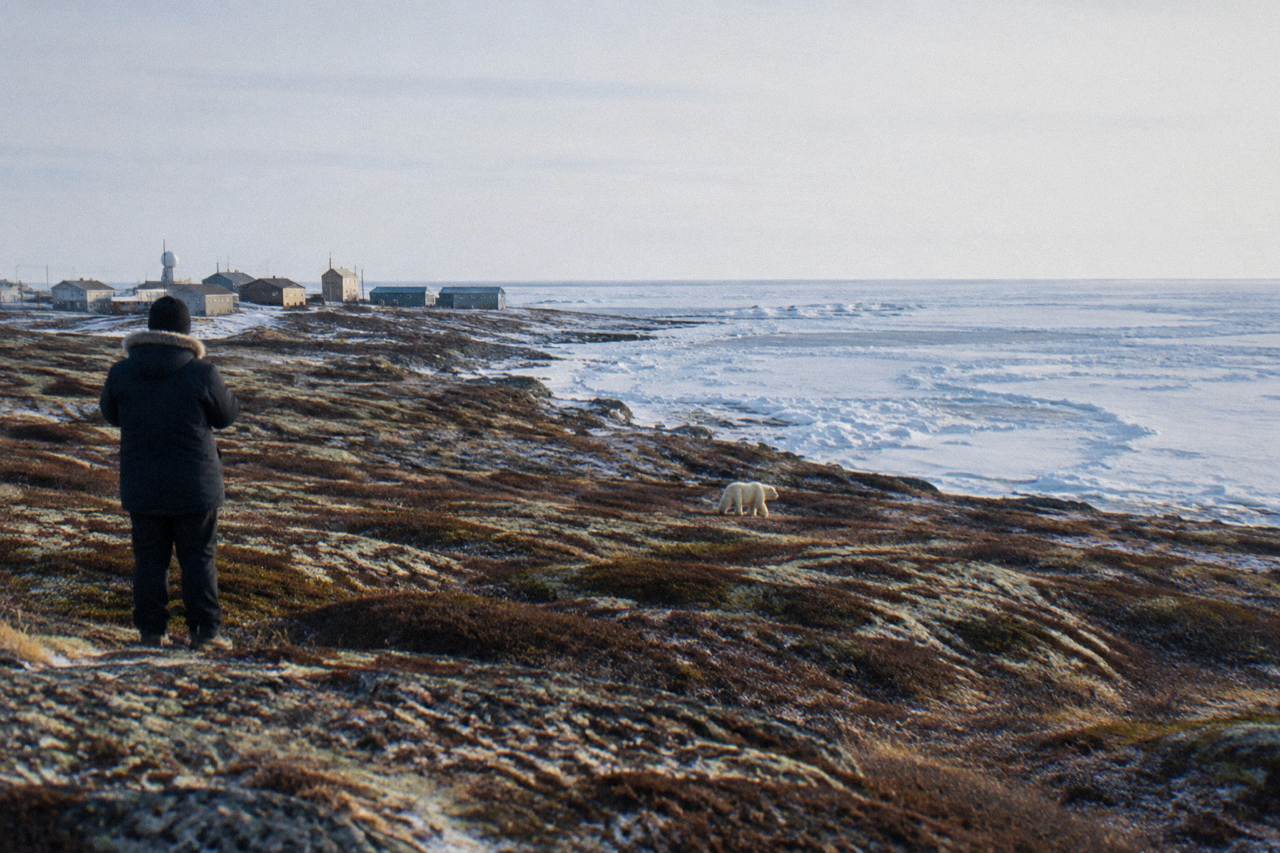
For most travellers whose main goal is polar bears, yes: Churchill concentrates an average of 600 bears along the Hudson Bay shore between mid-October and mid-November, according to Travel Manitoba, and no other accessible place in North America puts you near that many animals with licensed, elevated viewing. For a casual visitor on a thin budget, the cost and the two-day train or short flight make it a harder sell.
The value case rests on a simple geographic fact. Every autumn the Western Hudson Bay polar bears move toward the coast waiting for sea ice to form, and the bay near Churchill does not refreeze until approximately early November, per the Churchill Northern Studies Centre. That waiting period is when the town's bear season happens, and Travel Manitoba's own guidance is to plan and book at least a year in advance for the October and November peak because the tours sell to capacity. So the worth question is really a timing question: arrive inside that window with a booked seat and the trip has a strong chance of delivering what you came for. Arrive outside it, or without a booking, and you may be looking at an empty coastline.
The counter-case is equally real. Churchill is expensive by any Canadian travel standard, reachable only by rail or air, and small enough to walk across in an afternoon. One 2025 report put a basic grocery basket in town at roughly double Winnipeg prices. If your travel budget is tight and your interest in Arctic wildlife is casual, there are cheaper destinations that will give you a memorable trip without the logistics. What follows is the honest breakdown, so you can place yourself on the right side of the line.
The town itself is part of the answer. Churchill is a working subarctic port, not a resort, and its value comes from what surrounds it rather than from what sits inside it. Visitors who arrive expecting polished tourism infrastructure are sometimes disappointed; visitors who arrive for the bay, the bears and the sky rarely are.
What Does Churchill Actually Offer Beyond Polar Bears?
Polar bears are the headline, but Churchill also offers beluga whales in summer, northern lights through the dark half of the year, dog sledding nearly year-round, and a compact set of museums and historic sites that cost little or nothing to visit. The town works as a three-season wildlife destination, not a one-trick one, and that breadth is a big part of its worth.
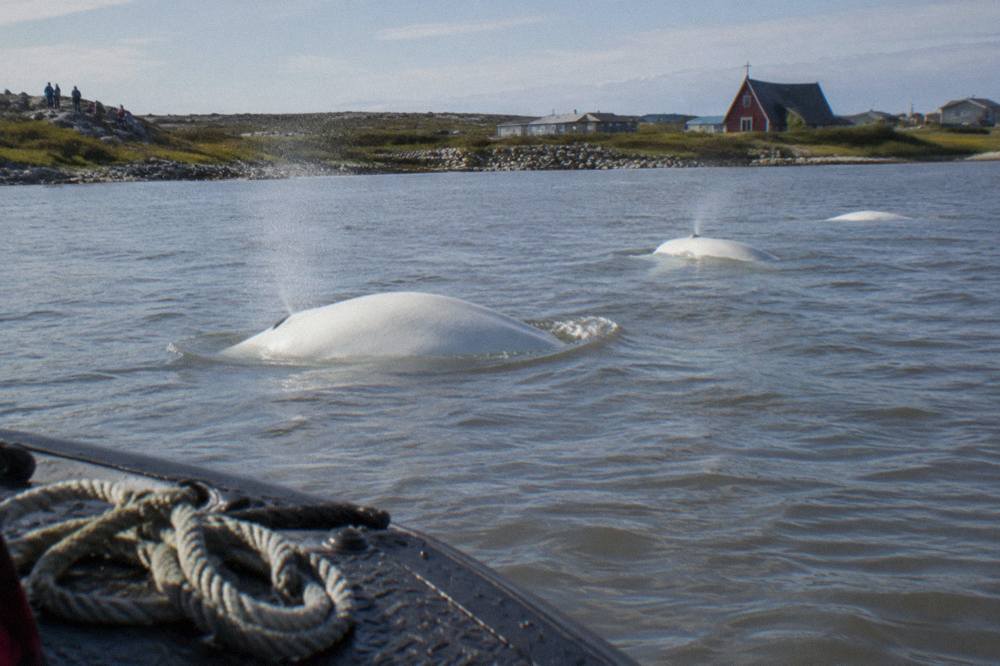
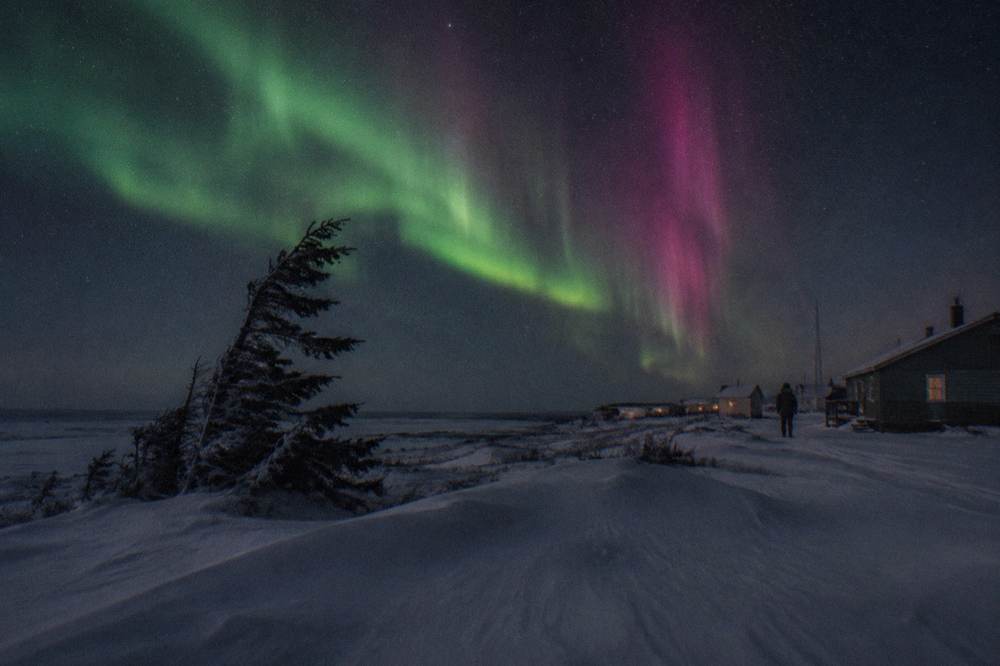
The beluga season is the strongest second act. Travel Manitoba states that over 57,000 whales make their way into Hudson Bay each year, with about 4,000 entering the Churchill River estuary, and that the whales move into the river between mid-June and mid-September, with July and August the sure window. Standing on the shore in peak summer you can often hear and see them without a boat at all, which makes this the cheapest genuine wildlife spectacle the town offers. Aurora is the third draw: Churchill sits directly under the auroral oval, and Travel Manitoba claims lights can appear 300 nights a year, with the best viewing season running January to March. Those are wild phenomena, so no operator can promise a display on any given night, but the underlying odds in Churchill are unusually good.
Location does quiet work here as well. Because Churchill sits directly under the auroral oval, displays can reach overhead even at low geomagnetic activity, when the same forecast would produce nothing farther south. That geographic luck is why aurora chasers treat the town as a winter base rather than a gamble. Dog sledding or dog carting can be done nearly any time of year in Churchill, per Travel Manitoba, which gives shoulder-season visitors one more bookable activity between the wildlife windows.
Beyond wildlife, the town's low-cost sights are real. Tourism sources from 2025 and 2026 consistently name the Itsanitaq Museum with its Inuit carvings and artifacts, the Parks Canada Visitor Centre inside the VIA Rail station, Cape Merry with its historic battery and coastal views, the Miss Piggy plane-wreck landmark, and the Polar Bear Holding Facility viewed from outside. Hours and access are worth confirming on arrival, since no fees or schedules are verified. For a fuller rundown, our guide to free and cheap things in Churchill covers what you can do without spending anything, and our piece on how many days you need in Churchill helps you size the trip.
The point for the worth question is this: a visitor who only cares about bears gets a narrow, expensive window. A visitor who enjoys the whole subarctic package, bears in autumn, belugas in summer, aurora in deep winter, gets three separate chances to have the trip pay off, and one of them is almost free.
How Much Does A Churchill Trip Really Cost?
The price floor for a bear tour is $484 per person for an eight-hour Tundra Buggy day trip, while the packages run from $5,783 to $7,926 per person including round-trip flights from Winnipeg. Private options start at $702 per group for an aurora night drive and $1,474 per group for a road safari. Add lodging, meals and transport to Churchill, and a package trip is a four-figure commitment per person.
These figures come from the actual listings sold for Churchill, and they are the honest basis for any worth decision. The table below shows the spread.
| Tour | Format | Verified price | Duration | Rating |
|---|---|---|---|---|
| Tundra Buggy Day, Lunch Aboard | Shared buggy day trip | From $484 USD per person | 8 hours | 4.6 from 30 reviews |
| Full-Day Guided Tundra Buggy | Shared buggy day trip | From $496 USD per person | 8 hours | 4.3 from 15 reviews |
| Private Heated SUV Road Safari | Private road safari | From $1,474 USD per private group | 8 hours | No reviews yet |
| Private Aurora Night Drive | Private night drive | From $702 USD per private group, up to 5 people | 5 hours | No reviews yet |
| Six-Day Winter Aurora Package | Package from Winnipeg | From $5,783 USD per person | 6 days | 5.0 from 4 reviews |
| Seven-Day Summer Beluga Package | Package from Winnipeg | From $6,974 USD per person | 7 days | 5.0 from 2 reviews |
| Six-Day Package, Dog Sledding | Package from Winnipeg | From $7,926 USD per person | 6 days, 5 nights | 4.8 from 59 reviews |
Two cautions belong beside those numbers. First, the two private tours are priced per group, not per person, so never divide them to compare with the per-person tours. Second, every listing here is non-refundable except the two private tours, which allow free cancellation up to 24 hours before start, so the shared buggy days and the packages are commitments the moment you book. For a deeper treatment of where the money goes and why the town costs what it costs, see why a Churchill trip is so expensive.
Package prices behave differently from day-tour prices, and that difference matters when you compare them. All three multi-day packages include the round-trip flight from Winnipeg, meals as listed on each itinerary, and a 70 lb (31 kg) luggage limit split as 50 lb checked and 20 lb carry-on. That luggage ceiling is the practical detail people miss: a full winter kit, insulated boots and camera gear have to fit inside it, so pack against the package limit rather than against a standard airline allowance.
Is Churchill Worth It On A Smaller Budget?
Yes, if you lower the ambition from bears to belugas or aurora and travel independently. The beluga spectacle in July and August is viewable from shore for nothing, aurora needs only dark skies and warm clothes, and the town's museums and landmarks are free or low cost. What you cannot cheaply buy is the elevated, licensed tundra bear viewing, which starts at $484 per person for a day.
The budget route is real but it has a hard edge. Bears gather on the coast outside town in the management area, where provincial regulation means vehicles operate under licence, and Parks Canada requires a licensed operator for all activities in Wapusk National Park. There is no legal, safe way to walk out and find bears on your own, and nobody should try. What budget travellers actually do is book a summer or late-winter trip, when the town is cheaper to be in, watch belugas from the shore, and accept that the bear experience is not part of that particular visit. Some save across a year or two for a single autumn day trip, the $484 buggy day, and treat it as the one big spend of the trip. Other pages covering the same trip are gathered on Churchill Polar Bear Tours Canada.
Summer is where the budget case is strongest. Sea North Tours, the local boat operator, lists zodiac estuary runs of about two hours at $162.75 CAD plus GST for an adult, kayak sessions of about three hours at $199.50 CAD plus GST with a minimum age of eight, and combined whale and fort trips from $180 CAD, with the season running June 1 to August 31 pending ice. Even at those prices a day on the water costs a fraction of bear-season spending, and the shore show itself costs nothing.
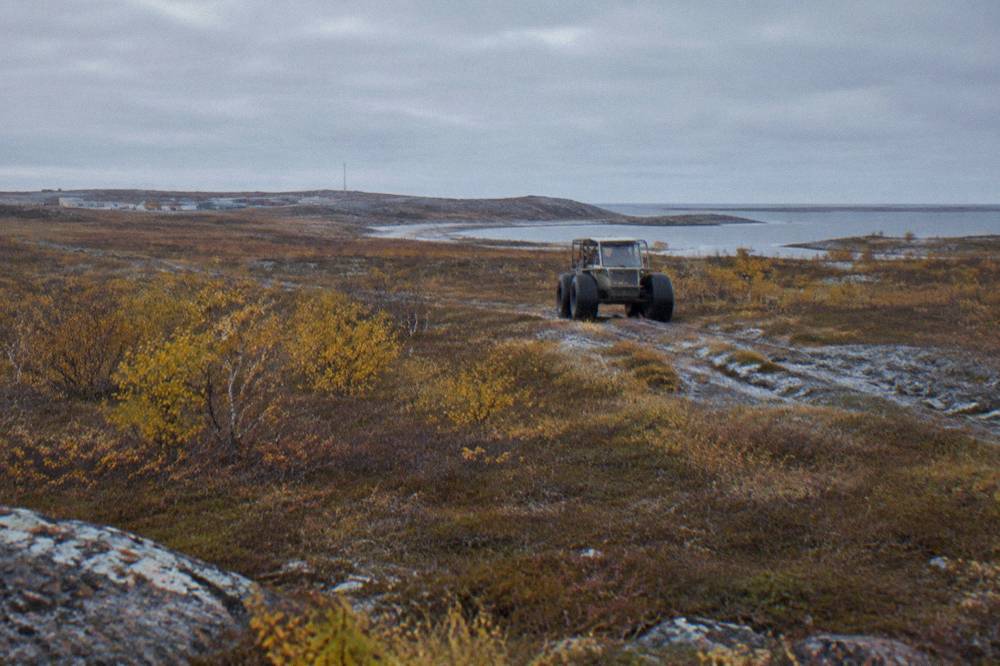
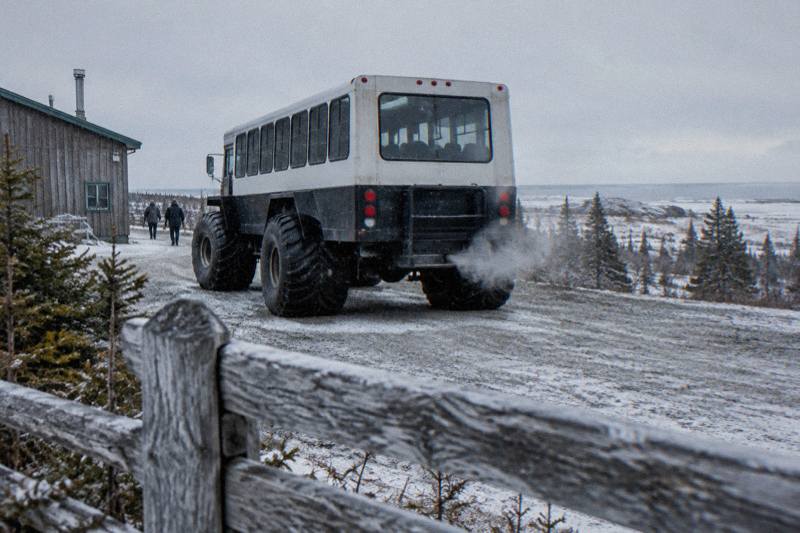
The middle path is the eight-hour buggy day with lunch aboard. Frontiers North's own pages describe the vehicle in detail: heated, a window for every guest, a rear viewing deck with a grated metal floor, 1.7 m tires, and a single-use bathroom near the back. The autumn day runs a check-in around 7:45 a.m., lunch of sandwiches, soup, cookies and beverages aboard, and a return around 5 p.m. For a traveller who wants the tundra experience without a package price, that single day is the most concentrated value on the roster.
Which Season Gives You The Best Odds?
October to mid-November is the bear season, with an average of 600 bears along the shore waiting for ice; July and August are the sure beluga window with about 4,000 whales in the estuary; January to March gives the darkest, clearest aurora nights. Each season sells a different animal, so the best time depends on which one you came for.
The seasons do not overlap much, which is why the worth question changes shape through the year. Autumn is the premium window: bears, cold, and the highest prices and tightest availability, with Frontiers North's own day tour pages noting the tours tend to sell out and Travel Manitoba advising a year of lead time. Summer is the friendlier trip: milder weather, belugas by the thousands, tundra wildflowers peaking in July and August, and bears present along the coast but in fewer numbers, as Travel Manitoba notes. Deep winter is the aurora and dogsledding season, with February and March offering the clearest and darkest night skies per Travel Manitoba's calendar guidance.
Season also changes what you should pack and how you should plan, which our Churchill weather guide covers with the official normals. For a month-by-month breakdown of the bear calendar specifically, see the best time to see polar bears in Churchill.
Put side by side, the three headline seasons answer three different versions of the worth question.
| Season | Verified window | What is there | Roster option |
|---|---|---|---|
| Autumn | Mid-October to mid-November | An average of 600 bears along the Hudson Bay shore | Eight-hour Tundra Buggy day or six-day package |
| Summer | Mid-June to mid-September, peaking July and August | About 4,000 belugas in the Churchill River estuary | Seven-day beluga package from Winnipeg |
| Deep winter | January to March, darkest in February and March | Aurora under the oval, dog sledding | Six-day winter aurora package from Winnipeg |
No single month gives you both headline species: the bay ice that carries the bears out to their hunting grounds forms around early November, and the belugas arrive with the open water of summer. Anyone trying to combine the two on one short visit is working against the calendar, not the tour operators.
What Are The Downsides You Should Know Before Booking?
The honest downsides are cost, access, weather, non-refundable bookings and the fact that nothing wild is guaranteed. Churchill has no road access, the train takes roughly 44 hours from Winnipeg, autumn temperatures run from about minus 13 to minus 2 C on the operator's own pre-departure page, and every shared tour and package on the roster is non-refundable.
Access is the first one. The town's only connections to the rest of the world are its airport, train station and port, per Travel Manitoba, because muskeg, permafrost and shield bedrock make an all-weather road unfeasible. VIA Rail runs the Hudson Bay line year-round, twice a week in each direction, with the Winnipeg to Churchill journey averaging about 44 hours, while Calm Air provides scheduled direct flights from Winnipeg and Thompson per Parks Canada. Neither the flight time nor a weekly flight count is verified, so check the live schedules rather than planning around a number you read anywhere, including here.
Weather is the second. The 1981 to 2010 climate normals for Churchill put October's mean at about minus 1 C and November's at about minus 13 C, and Frontiers North's pre-departure page gives autumn tour temperatures varying from about minus 13 to minus 2 C, with wind pushing it lower. That is manageable with proper layers, and our what to wear guide covers it, but it is not a beach trip.
The third is the guarantee problem, and this site will not soften it. Bears, belugas and aurora are wild and weather-dependent, and no operator promises a sighting. What the reviews show is that good days are common inside the season: one guest on the buggy day trip reported seeing about 12 bears starting with a mother and two cubs, and another reported more than 15. Those are individual days, not promises, and treating them as anything else is how people end up disappointed by a trip that was never sold as certain.
The fourth is cancellation. Every shared tour and package in the roster is non-refundable and cannot be changed. Only the two private tours allow free cancellation up to 24 hours before start. Read the terms on the operator's live listing before you pay anything.
Safety framing matters too, because it shapes what independent time in town looks like. Manitoba's Polar Bear Alert Program runs a hotline at 675-2327, monitored around the clock through the active season, keeps a controlled zone around the townsite where bears are not permitted, and asks anyone who must walk at night to stay on main, well-lit streets. This is managed coexistence rather than a danger zone, but it rewards visitors who treat the wildlife as wild.
The Honest Verdict By Traveller Type
For a dedicated wildlife traveller, Churchill is worth it without much argument: it is the most accessible place in North America to view wild polar bears safely. For a mid-budget family, it is worth it in summer for belugas, and a stretch in autumn. For a casual tourist comparing it against a generic city break, it is probably not worth the cost and the 44-hour train or the flight.
The dedicated wildlife traveller should target autumn, book the six-day package from Winnipeg, and stop reading verdict articles. The Classic Churchill Polar Bear Experience, six days and five nights with flights both ways, Tundra Buggy days and town time, rates 4.8 from 59 reviews, the largest review pool on the roster, and starts at $7,926 per person. The reviews behind that rating are specific: one guest called it beyond amazing and exceeded expectations, another described a guide who always made sure the entire group had everything they needed. Those are the words of people who paid the money and felt it returned. Check availability on the operator's live listing if that format fits, since dates in the peak window go early.
The mid-budget traveller faces the more interesting decision. A summer trip with shore-side beluga watching, the free museums and Cape Merry, and a modest lodging spend is genuinely affordable and genuinely rewarding, and it can include the seven-day beluga package at $6,974 per person or skip packages entirely. The aurora traveller gets a similar calculation in February and March, with the six-day winter package at $5,783 per person as the organized route and dark skies outside town available to anyone with transport and warm boots.
The casual tourist should think hard. If the appeal is a novelty town rather than the animals, the cost of getting there, roughly double-Winnipeg grocery prices once you arrive, and a two-day train each way will outweigh the charm. Churchill rewards visitors who know exactly what they came to see. It underwhelms visitors who arrive to find a small, cold, functional place with one street of note. That is not a flaw in the town; it is a mismatch of expectations, and it is the most common reason people leave disappointed.
There is also a framing that makes the decision easier rather than harder. For many visitors this is a once-in-a-lifetime trip, planned over years, and the real question is not whether Churchill competes with a cheaper holiday but whether it delivers the one thing no cheaper holiday can. On that narrower question the record is consistent: licensed, elevated tours put people near wild polar bears, safely, inside a short autumn season.
Common Questions About Visiting Churchill
Is It Worth Going To Churchill?
For travellers whose main goal is polar bears, belugas or aurora, yes: the town concentrates more accessible Arctic wildlife than anywhere else in North America. For casual visitors on a tight budget, the cost, the access logistics and the small size of the town make it a harder call.
How expensive is a trip to Churchill?
Tour prices start at $484 per person for an eight-hour Tundra Buggy day trip and run to $7,926 per person for the six-day package from Winnipeg including flights. Private tours start at $702 per group for an aurora night drive and $1,474 per group for a road safari. Lodging, meals and transport to Churchill are additional on the day tours.
What is the best month to visit Churchill?
October to mid-November for polar bears, July and August for beluga whales, and January to March for the clearest aurora nights. Each season sells a different experience, and the bear window is the one that requires booking furthest ahead.
Can you see polar bears in Churchill without a tour?
Not reliably and not safely. Bear viewing happens in the Churchill Wildlife Management Area and Wapusk National Park, where operators are licensed and a licensed operator is required for park activities. The safe, legal way to view bears is on a licensed tour vehicle.
Are Churchill tours refundable?
The shared Tundra Buggy day trips and the multi-day packages are non-refundable and cannot be changed. The two private tours allow free cancellation up to 24 hours before the start. Check the terms on the operator's live listing before booking.
Is Churchill worth visiting in summer?
Yes, if your goal is belugas. About 4,000 whales enter the Churchill River estuary as part of a Hudson Bay population Travel Manitoba puts at over 57,000, with July and August the sure window. Summer also brings tundra wildflowers, milder weather and lower demand than the bear season.