How Many Polar Bear Attacks Have There Been In Churchill, Manitoba?
The recorded polar bear incidents in Churchill, and the systems, from the Polar Bear Alert Program to licensed tundra vehicles, that keep visitors safe.
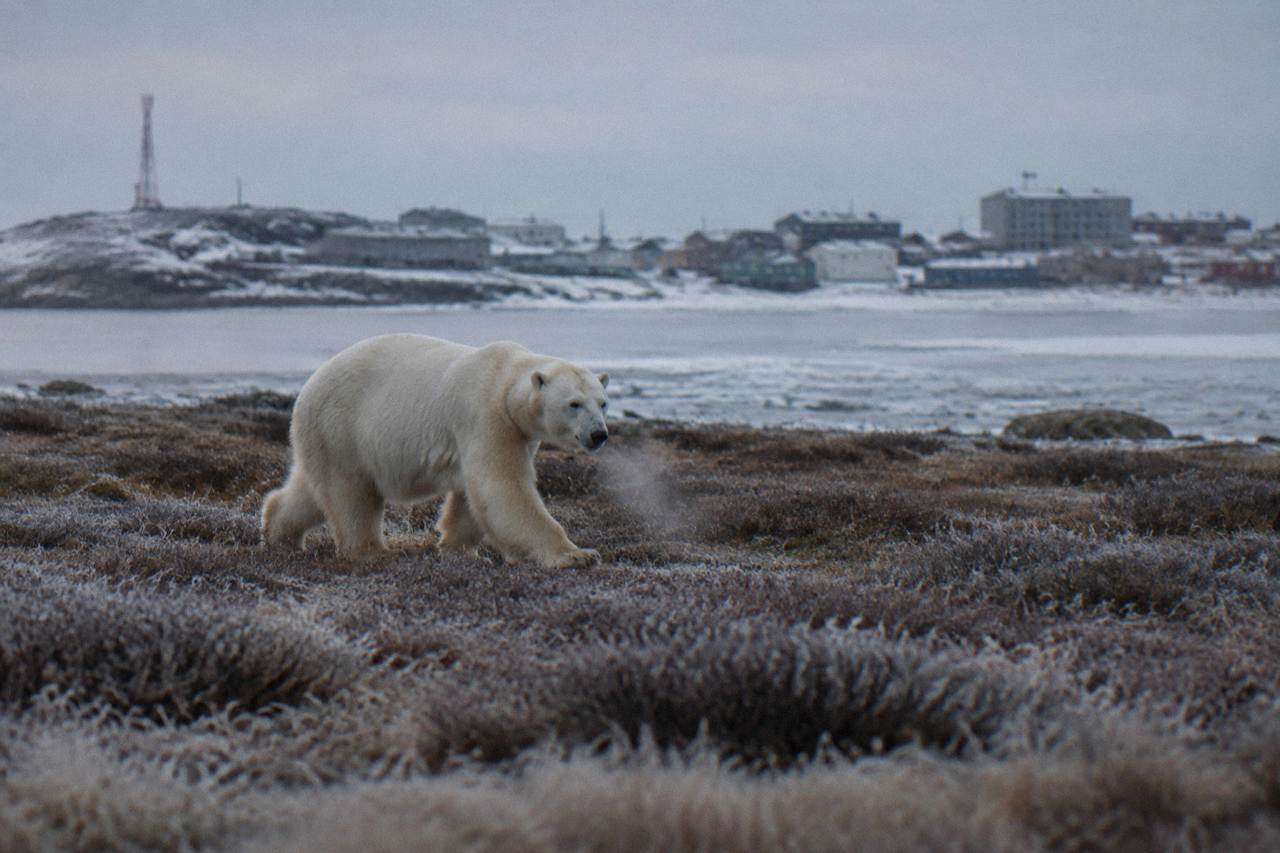
Churchill, a town of about 900 people per Travel Manitoba, sits in the middle of one of the densest seasonal gatherings of polar bears anywhere on earth. From mid-October to mid-November, Travel Manitoba notes an average of 600 bears roam the Hudson Bay shore waiting for the ice to form. Visitors reasonably ask the blunt question before they book anything, whether that is the eight-hour buggy day with lunch aboard or a six-day package from Winnipeg with flights both ways. The honest answer is reassuring, it comes from records rather than folklore, and it says as much about how the town manages bears as about the bears themselves.
How Many Polar Bear Attacks Have There Been In Churchill?
Records note two fatal polar bear attacks in the Churchill area, one in 1968 and one in 1983, and one non-fatal mauling on 1 November 2013 in which two people were injured and both survived. No serious human injuries from bears have been reported in Churchill since 2013. Against a town that hosts hundreds of bears at its doorstep every autumn, that is a remarkably short incident list, and it is the product of deliberate systems rather than luck.
That is the whole recorded picture, and it deserves context. Churchill has been a permanent settlement, a military base and a tourism hub for decades, through which many thousands of visitors have come and gone, most of them in exactly the weeks when bears are most numerous. The two fatal incidents sit far back in the town's history, in 1968 and 1983. The 2013 mauling was the most recent serious event: two people were injured in town, both survived, and the bear was shot. Since then, records show no serious human injuries from bears in Churchill.
Two things keep that list short, and both are worth understanding before a trip. The first is that Churchill does not rely on visitors behaving well; it relies on infrastructure, from a 24-hour alert hotline to a holding facility for problem bears. The second is that almost all bear viewing happens from licensed, elevated vehicles inside a regulated wildlife management area, not on foot. The sections below walk through the incident record, the Polar Bear Alert Program, the holding facility, the town walking rules and the vehicle regulations in turn. That same bear-aware culture shows up in small habits too, which is why locals leave their car doors unlocked for a surprising reason.
A distinction helps when reading any incident list. A recorded attack is the rare end of a long chain of events that usually ends far earlier: a sighting called in, a bear hazed at the town edge, a hold in the facility. Churchill logs those earlier events constantly through the season. The two halves of the story, constant management and vanishingly rare harm, only make sense together.
Why The Recorded Numbers Stay So Low
The low incident count reflects a layered system: Manitoba's Polar Bear Alert Program removes bears from a controlled zone around the townsite before encounters can happen, tour vehicles operate under provincial regulation inside the Churchill Wildlife Management Area, and Wapusk National Park requires a licensed guide for all access. No single measure does the work alone, and visitors interact with all three layers whether they notice or not. Those same layers explain why independent viewing is mostly off the table, and our guide to whether you need a tour to see polar bears in Churchill walks through what they mean for planning a trip.
The backbone is the Polar Bear Alert Program, run by Manitoba Conservation. It establishes a controlled zone covering the townsite and the dump where bears are simply not permitted. When a bear enters that zone, staff respond to public reports and use aversive conditioning first: noisemakers, paintballs and rubber bullets to haze the animal away. A bear that persists is trapped and moved to the Polar Bear Holding Facility rather than left wandering the streets. The program publishes a 24-hour hotline, 204-675-2327, monitored around the clock through the active season. Manitoba's own safety guidance and the province's polar bear safety pamphlet spell out the town rules, and the town posts zone maps alongside them on its polar bear safety page.
The vehicle layer matters just as much. Inside the Churchill Wildlife Management Area, provincial regulation means no person may operate a vehicle or occupy a structure while supplying touring facilities except under the rules, which is why tour operators there are licensed operations rather than informal outfits. In Wapusk National Park, Parks Canada is blunter still: a licensed tour operator is required for all activities, and there is no independent access at all, because there are no roads into the park. A traveller who books a legitimate tour, whether a buggy day trip or a private road safari, is inside this licensed framework by default, and Parks Canada's bear safety page for Wapusk states the requirement in plain terms.
The licensing point is easy to overlook, because it is invisible on a good day. A traveller who boards a legitimate vehicle is not relying on the driver's judgment alone; the operator holds permission to run in the management area under the provincial regulation, and Parks Canada applies an even stricter standard inside Wapusk, 11,475 square kilometres of park with no road access at all. The rules do not soften the tundra. They remove most of the ways an unguided person could get close to a bear, and they put a trained professional between the guest and every decision that matters.
How The Polar Bear Holding Facility Works
The Polar Bear Holding Facility, a converted building near Churchill airport, holds problem bears in up to 28 cells for an average of about 30 days, releasing them onto the sea ice once the bay freezes. The bears are not fed during their hold, deliberately, to prevent food conditioning. The facility is not open for public tours inside, though it is a well-known local landmark that can be seen from outside.
Locals call it the polar bear jail, and the nickname is mostly accurate. Bears that enter town, or that refuse to be hazed away from the controlled zone, are captured and held there until freeze-up, when Hudson Bay ice lets them return to hunting seals. The no-feeding policy is the part most visitors find surprising: the point is that a bear must never learn to associate people or the town with a meal, so the hold is deliberately short on comforts. The facility is not open for public tours inside, and tourism sources list it strictly as an outside landmark.
The facility is one visible piece of a broader coexistence effort. The town and the province treat bear management as continuous work rather than a response to emergencies, which is precisely why the incident record has stayed quiet since 2013. That framing matters for a worried prospective guest: the systems run every day of the season, not only after something goes wrong. For a deeper look at the program itself, see the guide to the alert program and the holding facility.
Private guiding is where visitors interact with these systems most directly, at ground level. The private road safari around Churchill and the Hudson Bay coast runs about eight hours with your own guide, from $1,474 per private group, and it lists pickup at a Churchill hotel, the airport or the railway station, plus free cancellation up to 24 hours before start. The guide, not the group, owns the safety calls: where to stop, where not to, and when to move on.
How Likely Are You To Encounter A Bear In Town?
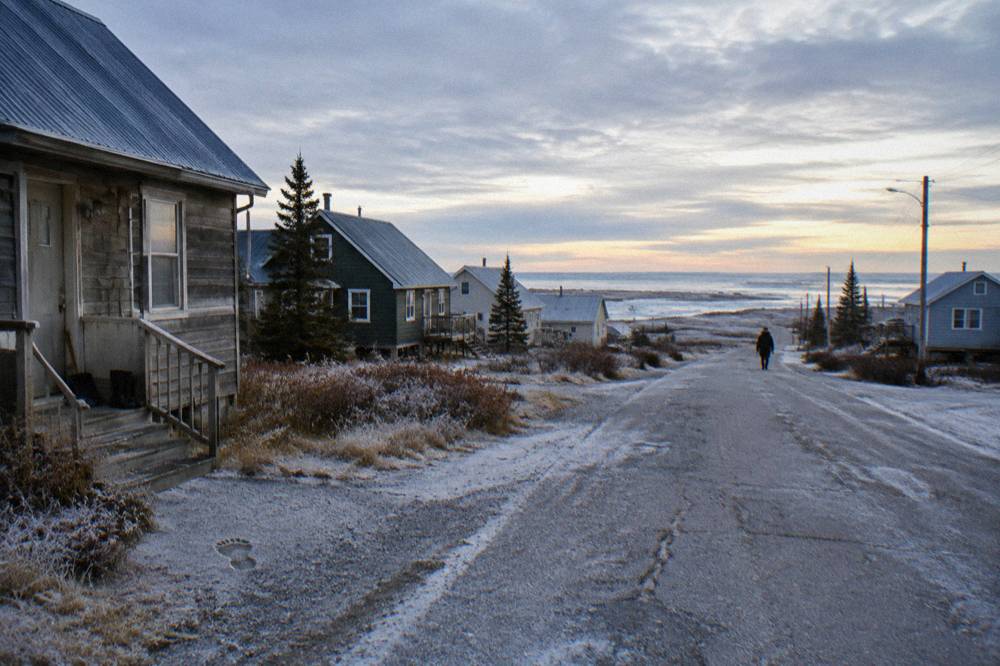
Encounters inside Churchill are rare and usually end with the bear being hazed or held, not with anyone hurt. The town's standing advice is simple: stay on main, well-lit streets, report any sighting immediately by calling the hotline, and never walk out to look for bears. Doors in town are often left unlocked so that anyone can shelter quickly if a bear appears.
The walking rules exist because bears do occasionally pass near town, most often at night or in the shoulder of the season. Manitoba's guidance is explicit that if walking is necessary, it should be on the main streets of Churchill, never in dimly lit areas or on shortcuts. Locals leave house and vehicle doors unlocked as a community norm, so a person caught outside has somewhere to go. Reporting is the other half of the system: every call to the hotline puts the response team in motion, and early reports are what keep an encounter from escalating. The question of how likely a sighting is at all, as opposed to an encounter, is answered separately in the post on your chances of a polar bear sighting.
For context on the numbers behind the caution, the Western Hudson Bay population that gathers along this coast was estimated at 618 bears in the late summer 2021 aerial survey, with a wide interval of 425 to 899, down from about 842 in the 2016 survey. No newer survey has been identified. Travel Manitoba separately notes that from mid-October to mid-November an average of 600 bears roam the Hudson Bay shore near Churchill. Those figures describe a healthy, closely monitored population that the town has learned to live beside, not a growing threat.
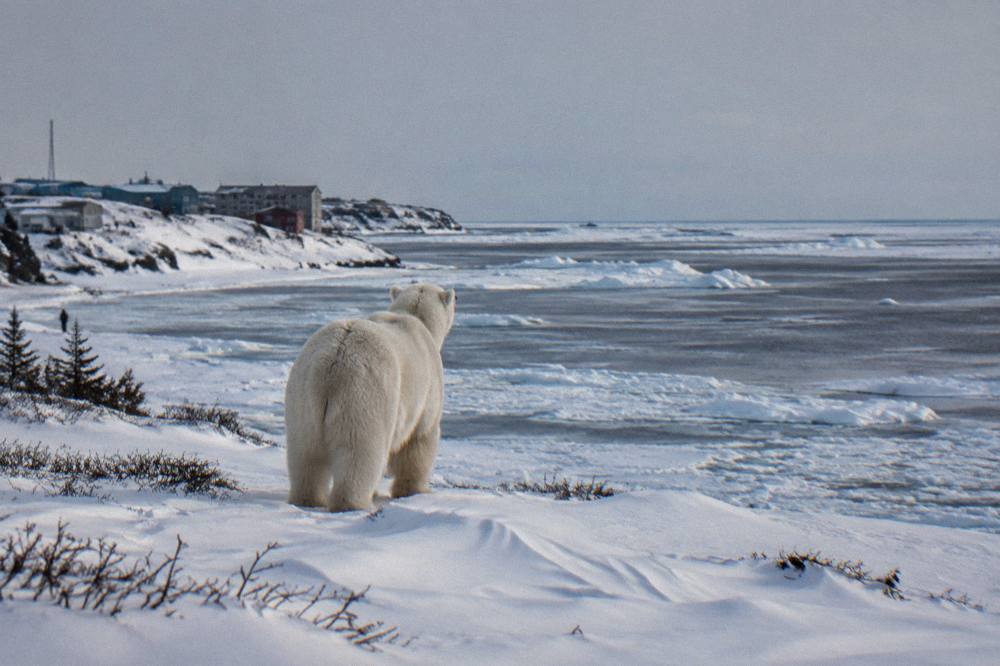
The risk picture also shifts with the calendar, which the incident years barely capture on their own. Hudson Bay near Churchill does not refreeze until approximately early November, per the Churchill Northern Studies Centre, so the October weeks put the most bears and the most people into the same small area at the same time. In summer, Travel Manitoba notes bears can be spotted from July to September in fewer numbers, with August bears roaming the coast where shoreline lodges make the best vantage point. The managed systems run year-round, but autumn concentrates everything.
What The Incident Record Actually Shows
The full recorded list for the Churchill area is two fatal attacks, in 1968 and 1983, and one non-fatal mauling on 1 November 2013 in which both injured people survived. Records note no serious human injuries from bears in Churchill since. That record spans decades of a town hosting a major autumn bear migration and a substantial tourism industry, which is why the numbers surprise people expecting a frontier story.
| Recorded incident | Year | Outcome |
|---|---|---|
| Fatal attack, Churchill area | 1968 | Fatal, records note |
| Fatal attack, Churchill area | 1983 | Fatal, records note |
| Mauling in town, 1 November | 2013 | Two people injured, both survived, bear shot |
| Serious human injuries since 2013 | None recorded | No serious injuries reported |
The table deserves a careful reading rather than a triumphant one. It does not claim bears are harmless, and no honest source does: they are large, powerful predators, and the town's whole safety apparatus exists because of that fact. It also does not count minor scares, hazed bears, closed trails or near misses, which are more common and which the alert program handles without publicity. What it does establish is that the catastrophic outcome visitors fear, an attack on a person in town or on a licensed tour, is rare enough that the recorded cases fit in a single short table. The 2013 mauling remains the local reference point, and it is part of why the controlled zone and the holding facility are staffed the way they are.
The six-day Classic Churchill Polar Bear Experience from Winnipeg, rated 4.8 from 59 reviews, is one of the products that operates inside this framework, with Tundra Buggy days out on the tundra and town time in Churchill itself. A guest review on the listing, from Richard T., reads: "This trip has ben on our bucket list for a decade, and we finally went. Our guide, David, was fantastic, the town of Churchill was welcoming, and the polar bears did not disappoint. I'd highly recommend this to anyone who wants to see polar bears in the wild." Reviews like that describe the normal case: bears seen at a safe distance, from a licensed vehicle, with a guide whose job includes keeping it that way.
One caveat belongs beside any short table like this. Incident lists record outcomes, not near misses, and the town's near misses, hazed bears and closed trails never appear in them. That cuts both ways: the record cannot prove Churchill is free of danger, and it also cannot be read as a hidden history of violence. The absence of serious injuries since 2013 is the fact, and it is the strongest one available.
Why Licensed Tour Vehicles Keep You Safe
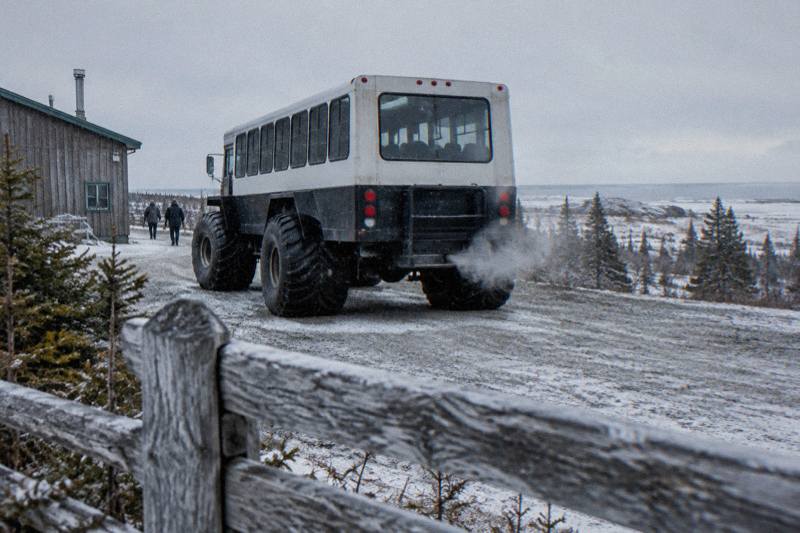
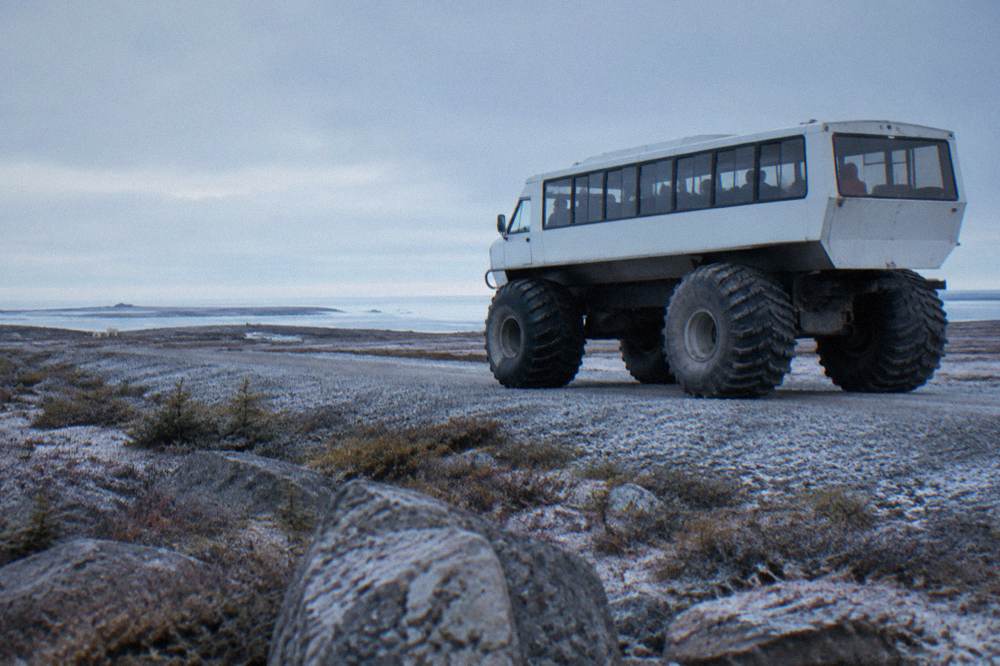
Almost all polar bear viewing in Churchill happens from purpose-built, elevated vehicles operated by licensed companies inside a regulated management area, which removes the encounter risk almost entirely. Frontiers North's own pages state the Tundra Buggy is heated, seats up to 40, has a window for every guest, a rear deck viewing platform and 1.7 m tires, and bears may approach the vehicles without anyone being at eye level.
The vehicle design is the quiet hero of Churchill's safety story. A Tundra Buggy lifts guests well above a bear's reach, and the rear viewing deck lets people stand outside the enclosed cabin while still raised far off the ground. Frontiers North states the buggy carries a single-use bathroom near the back, which is part of why the eight-hour day tours work at all: guests do not disembark on the tundra. The exclusive Tundra Buggy day trip runs from $484 per person, rated 4.6 from 30 reviews, and the autumn day tour from $496 per person, rated 4.3 from 15 reviews. Both are non-refundable, so the listing terms deserve a read before booking.
| Safety layer | Who runs it | What it does |
|---|---|---|
| Polar Bear Alert Program | Manitoba Conservation | Controlled zone, hazing, 24-hour hotline |
| Polar Bear Holding Facility | Manitoba Conservation | Holds problem bears, up to 28 cells, about 30 days |
| Wildlife Management Area regulation | Province of Manitoba | Licensed operators only for touring vehicles |
| Wapusk National Park rules | Parks Canada | Licensed guide required, no independent access |
| Elevated tour vehicles | Licensed operators | Raised viewing, no on-foot tundra exposure |
Guests on the buggy day trips describe the pattern the table predicts. A review from Debbie in Canada on the exclusive day trip reads: "Our guide, Luke, was passionate and knowledgeable about the area and Polar Bears. His stories were entertaining and informative. He ensured we had the best experience possible resulting in seeing about 12 bears starting with a momma bear and two cubs. Everything was organized, efficient and our safety and the bear's safety was the top priority." One guest's day is never a promise, but the safety framing in that review, safety for guests and bears as the top priority, is the industry standard here, and the regulation behind it is what makes that claim credible.
The day runs on a fixed rhythm that keeps the safety simple. Frontiers North's own pages describe the autumn day tour as check-in about 7:45 a.m. at the Fifty Eight North shop, a transfer to the launch site, then eight hours on the tundra with lunch aboard, sandwiches, soup, cookies and beverages, and a return about 5 p.m. Guests never step onto the tundra itself; the single-use bathroom near the back of the buggy exists precisely so the day can run without a ground stop. A review from Samantha in the United Kingdom on the same trip reads: "Best day ever! So many bears including lots of cubs and even triplets. Couldn't have asked for a better trip. Marc was our guide so friendly and knowledgeable. Great lunch and the buggy was warm and comfortable."
What A Worried Visitor Should Actually Do
The practical answer is short: book a licensed tour, follow the town's walking rules in the evenings, save the hotline number, and never go looking for bears on foot. The safety systems do their work quietly and continuously, and travellers who stay inside them tend to spend the trip thinking about the cold and the cost, not the bears.
The town's own materials make the behavioral half easy: stay on main, well-lit streets, report sightings at once, and treat unlocked doors as shelter, not as an invitation to be casual. The booking half is easier still, because the licensed options cover most budgets and styles. The exclusive Tundra Buggy day trip from $484 per person is the lowest per-person bear tour price on this site's verified roster. The six-day Classic Churchill Polar Bear Experience from Winnipeg, from $7,926 per person, bundles flights both ways, buggy days and town time, with a 70 lb luggage limit across two pieces. Private travellers can take the heated SUV road safari from $1,474 per private group, which includes pickup at a Churchill hotel, the airport or the railway station, and free cancellation up to 24 hours before start, a flexibility the group tours do not offer. Winter visitors chasing aurora can also book the private northern lights night drive, from $702 per private group of up to five.
Timing matters as much as the choice of product. Travel Manitoba advises planning and booking at least a year ahead for the October to November peak, and Frontiers North notes its day tours tend to sell to capacity. The buggy day listing also notes the trip is on average booked 180 days in advance. None of these products promises a sighting, and no honest listing would: bears are wild, and their movement depends on the season, the weather and the ice.
The Churchill Polar Bear Tours Canada hub collects the verified options in one place, alongside deeper guides such as the one on polar bear safety in Churchill. A worried prospective guest who reads the incident record, understands the alert program and books a licensed tour is doing everything the town itself asks of its residents, and slightly more.
Common Questions About Polar Bear Attacks In Churchill
How Many Polar Bear Attacks Have There Been In Churchill?
Records note two fatal attacks, in 1968 and 1983, and one non-fatal mauling on 1 November 2013 in which two people were injured and both survived. No serious human injuries from bears have been reported in Churchill since 2013.
Is It Safe To Walk Around Churchill?
Yes, with the town's standing rules: stay on main, well-lit streets, avoid dimly lit areas and shortcuts, and report any bear sighting immediately to the Polar Bear Alert line at 204-675-2327. Doors in town are often left unlocked so anyone can shelter quickly.
Can You Visit The Polar Bear Holding Facility?
The facility near the airport is not open for public tours inside. It can be seen from outside, and it frequently appears on local itineraries as a landmark, but the interior is a working provincial operation for holding problem bears.
Do The Tour Vehicles Keep You Safe From Bears?
The licensed tundra vehicles are purpose-built for elevated viewing, with high tires and raised decks, and they operate under provincial regulation inside the Churchill Wildlife Management Area. Guests stay aboard for the full day, which removes on-foot exposure to bears entirely.
How Many Polar Bears Are Near Churchill?
The late summer 2021 aerial survey estimated the Western Hudson Bay population at 618 bears, with a 95 percent interval of 425 to 899, down from about 842 in 2016. Travel Manitoba notes an average of 600 bears roam the Hudson Bay shore near Churchill from mid-October to mid-November.