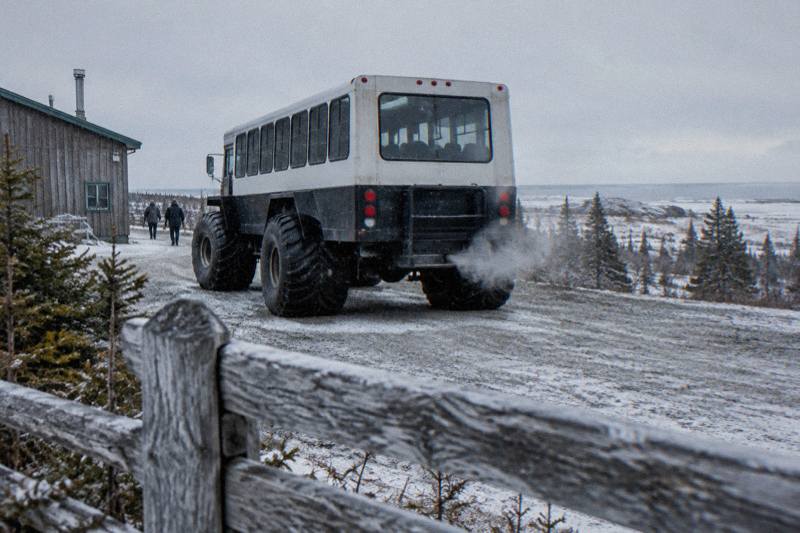
Why Do People In Churchill, Manitoba Leave Their Cars Unlocked?
The real reason cars in Churchill sit unlocked: polar bears, a shelter custom, and the Polar Bear Alert Program that keeps a town of about 900 people living beside them.
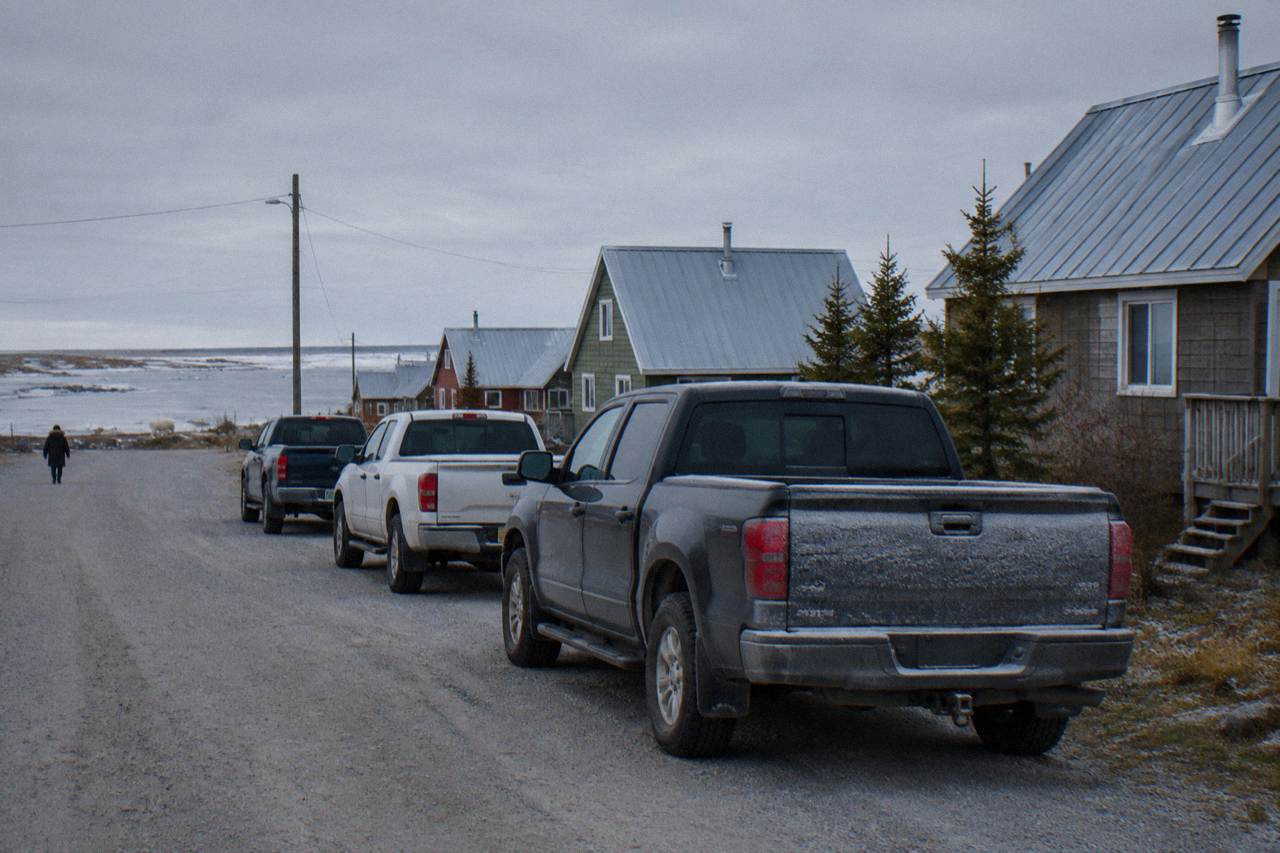
In most towns, an unlocked car door is a mistake you correct. In Churchill it is a habit with a purpose, and the purpose is a predator that can weigh more than 500 kilograms. Ask a local why they leave the doors open and the answer comes back without hesitation: if a polar bear appears while you are walking, the nearest vehicle may be your shelter, and a locked door is a shelter you cannot reach.
Why Do People In Churchill Leave Their Cars Unlocked?
Churchill residents leave cars unlocked so that anyone caught outside during a polar bear encounter can get inside fast. Manitoba's own safety guidance tells people walking in town to stay on main, well-lit streets and to shelter immediately if a bear appears. A vehicle with an open door is the quickest refuge when the alternative is open ground. It is not folklore; it is part of how the community lives beside the Polar Bear Alert Program's controlled zone.
The custom follows directly from the town's geography. Churchill sits on the shore of Hudson Bay, population about 900 per Travel Manitoba, and every fall polar bears gather along that coast waiting for the sea ice to form. Travel Manitoba states that from mid-October to mid-November an average of 600 bears roam the Hudson Bay shore near town. That is not a metaphorical number. It is the reason a community of fewer than a thousand people operates a 24-hour bear hotline, a dedicated holding facility, and a set of street habits that would look strange anywhere else. If all this has you wondering whether you could squeeze a visit into a single day, the realistic guide to a Churchill polar bear day trip explains what that actually involves.
The official safety material is blunt about the walking rule. Manitoba's guidance states that if walking is absolutely necessary, people should stay on the main streets of Churchill and never walk in dimly lit areas. The unlocked car fits into the same logic. The town publishes zone maps and a "Safety in Polar Bear Country" pamphlet through its own website, and the practical takeaway residents repeat to visitors is simple: doors stay unlocked so anyone can get in.
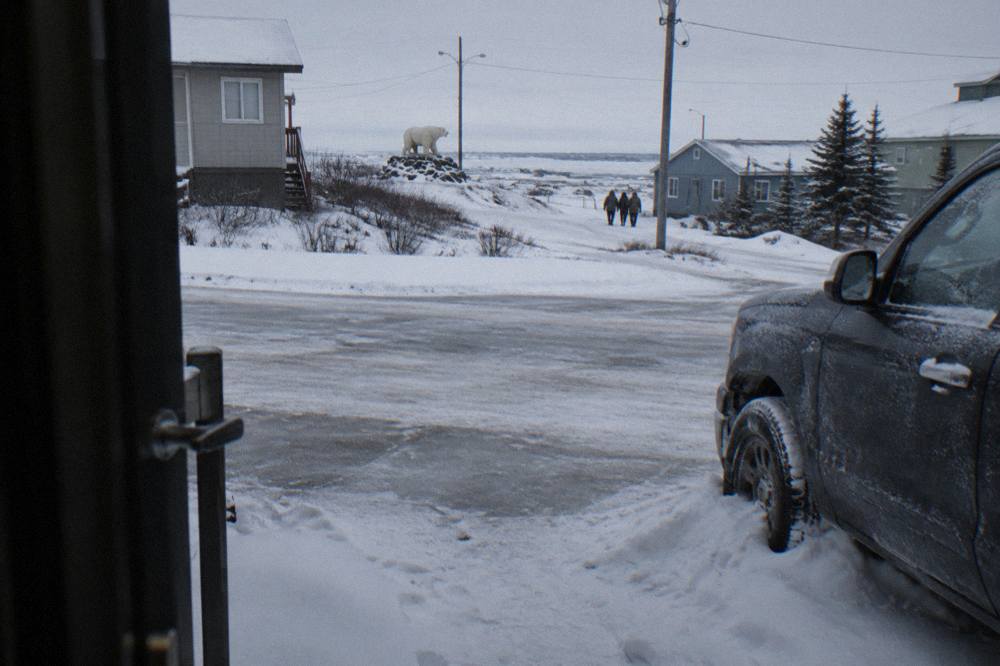
There is a second, quieter layer to the habit. A vehicle is not a fortress against a polar bear, and residents know that. What an unlocked car buys is minutes, not immunity, and minutes are what the Polar Bear Alert Program needs to respond. The hotline at 204-675-2327, or 675-BEAR, is monitored around the clock during the active season, so the sequence a local hopes for is: get in the car, make the call, let the trained responders do the rest.
Visitors sometimes hear the custom explained as a quirky northern tradition, the kind of story that travels well on social media. The verifiable version is less colourful and more serious. It is a shelter custom, rooted in the same official guidance that keeps schoolchildren indoors during bear alerts and keeps the town's perimeter monitored during the fall gathering. The curiosity is fair; the answer is just more practical than the folklore suggests.
How Does The Polar Bear Alert Program Keep Churchill Safe?
Manitoba's Polar Bear Alert Program maintains a controlled zone around the townsite and the dump where polar bears are not permitted, responds to public reports around the clock in the active season, and moves persistent bears out of town using aversive hazing first and capture second. The program exists to protect bears, people and property together, and its hotline, 204-675-2327, is the number every resident knows.
The program is preventive by design. Its first tool is not a trap or a cage; it is deterrence. Staff use noisemakers, paintballs and rubber bullets to haze bears away from the controlled zone, and in most cases that is where the interaction ends. A bear that keeps coming back, or that poses a risk inside the zone, may be captured and held in the Polar Bear Holding Facility near the airport until it can be released onto the sea ice. Bears are not fed while held, which prevents the food conditioning that would make the problem worse.
| Situation | Program response | What happens to the bear |
|---|---|---|
| Bear spotted outside the controlled zone | Public reports it to the 675-BEAR hotline | Monitored, no intervention if moving away |
| Bear approaches the townsite or dump | Aversive hazing: noisemakers, paintballs, rubber bullets | Hazed away, usually not captured |
| Bear persists inside the zone or poses a risk | Live capture | Held in the holding facility, released when ice forms |
| Person caught outside during an encounter | Shelter indoors or in a vehicle, call the hotline | Responders handle the bear |
The response ladder matters for understanding the unlocked cars. The program's design assumes people might be outside when a bear appears, and its guidance for that moment is shelter first, report second. A locked vehicle defeats the first step. The Churchill Polar Bear Tours Canada pages cover the same program from a visitor's angle, but the mechanics are identical for everyone in town.
Parks Canada reinforces the same framework for the country around Churchill. In Wapusk National Park, visitors must be accompanied by a licensed guide or Parks Canada staff, there is no independent access, and the rules prohibit feeding, approaching or disturbing wildlife. The park's own safety pages state plainly that it is a high-risk area for polar bears. The town's unlocked cars are the domestic edge of a much larger, formal safety system. If you've heard about a so-called three bear rule for this region, the real Churchill bear safety rules explained here cover what actually applies.
What Is The Polar Bear Holding Facility In Churchill?
The Polar Bear Holding Facility, locally called the polar bear jail, is a converted building near the Churchill airport that holds problem bears in up to 28 cells until the sea ice forms and they can be released. Bears are not fed during the hold, which averages about 30 days, and the facility is not open to the public inside. It is the last step in the Alert Program's response ladder.
The facility exists because the alternative was worse. Before the program and the holding building, problem bears that could not be hazed away were more likely to be destroyed. Holding them instead, without food, and releasing them onto the ice when it forms gives the bear a reset and the town a buffer. Family-group cells and some air-conditioned units are part of the setup, and the program handles dozens of bears in a busy year.
Visitors can see the facility from outside only, and it appears on local lists of things to look at precisely because it is such an unusual piece of civic infrastructure. It is one thing to read that a town operates a jail for bears. It is another to stand near the airport fence and understand that the building exists because the fall gathering is real: hundreds of bears, one small town, and a strip of coast between them.
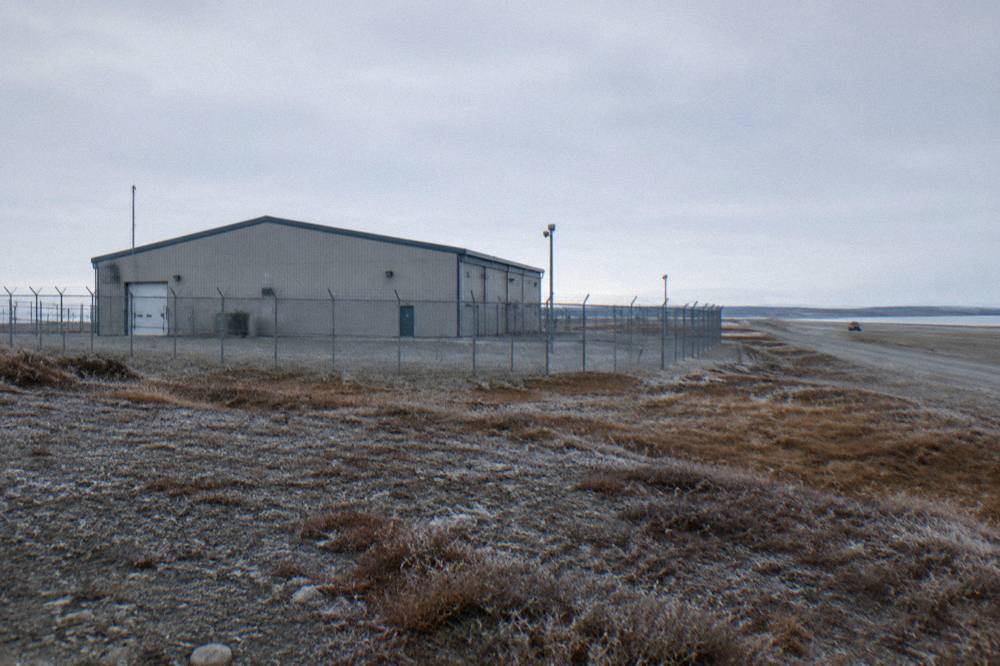
The no-feeding rule inside the facility is the detail worth remembering. A fed bear learns to associate people with food, and a food-conditioned polar bear is a bear that cannot stay wild safely. That principle runs all the way through Churchill's wildlife rules, from the holding facility to the management area regulations that require tour operators to be licensed. Nothing about the system invites bears closer; everything about it is built to keep the distance.
The building itself is a former military structure, a leftover from the town's days as a northern base, repurposed into the most unusual wildlife tool in Canada. Locals point it out to visitors the way other towns point out a lighthouse or a courthouse, with a mix of pride and matter-of-factness. It is also a reminder that the unlocked-car habit sits at the far end of a chain that starts with hazing and ends with a cell: the system tries its gentlest tools first, and the open car door is the civilian version of the same philosophy.
Is It Actually Safe To Walk Around Churchill?
Yes, with conditions. Manitoba's guidance is to walk only on main, well-lit streets, never in dimly lit areas, and to report any bear sighting immediately to the 675-BEAR hotline rather than approaching or harassing the animal. Records note fatal attacks in 1968 and 1983 and a non-fatal mauling on 1 November 2013, and no serious human injuries from bears have been reported in Churchill since.
Those conditions are not boilerplate. The town's street habits, unlocked cars included, are the lived version of that guidance. Doors of homes and businesses are often left unlocked for the same reason car doors are: shelter has to be reachable in seconds. During the active season, mid-summer through freeze-up in late fall, the hotline is monitored around the clock, and residents treat a sighting report as a routine civic act rather than an alarm.
The record behind the rules is thin in the way that matters. Serious encounters in the Churchill area are rare, and the two fatal attacks on record date back more than four decades (see Polar Bear Attacks). The 2013 mauling injured two people in town and was the last serious incident. Rare is not never, which is exactly why the habits persist. A community that has gone more than a decade without a serious injury still leaves its car doors open, because the cost of the habit is zero and the cost of not having it is unbounded.
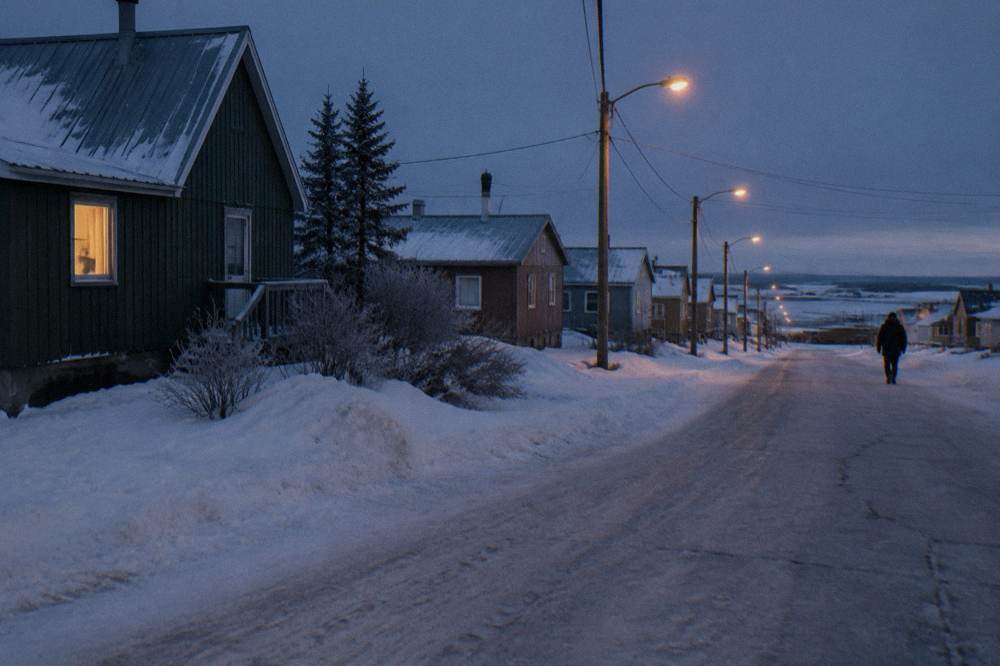
For visitors, the practical translation is straightforward. Walk the main streets, especially after dark, and skip shortcuts. If you see a bear, do not approach it, do not try to photograph it from close range, and call the hotline at once. If a vehicle is nearer than a building, an unlocked door is the town's answer to a question you hope never to ask. The fuller visitor version of this lives in our guide to walking safely in Churchill.
It is worth being clear about what the walking rules do not say. They do not tell people to stay indoors all season, and they do not describe a town under siege. Churchill's residents walk to work, walk to the store and walk their dogs through bear season every year, on the main streets, under the streetlights, with the hotline number in their pockets. The rules draw a line between ordinary life and unnecessary risk, and the unlocked car is the smallest piece of equipment on the safe side of that line.
How Many Polar Bears Live Around Churchill And Hudson Bay?
The most recent aerial survey of the Western Hudson Bay population, flown in late summer 2021, estimated 618 bears with a 95 percent interval of 425 to 899, down from about 842 in the 2016 survey. No newer survey has been identified. Travel Manitoba separately states that from mid-October to mid-November an average of 600 bears roam the Hudson Bay shore near Churchill.
Those two numbers describe different things, and keeping them straight is where most retellings go wrong. The 618 figure is a scientific population estimate for the whole Western Hudson Bay subpopulation, with a wide interval that reflects how hard it is to count bears across that much terrain. The 600 figure from Travel Manitoba is a seasonal gathering: the number of bears concentrated along the coast near Churchill in the weeks before the bay freezes.
The gathering happens because of the ice calendar. Hudson Bay near Churchill does not refreeze until approximately early November, per the Churchill Northern Studies Centre, so bears that spent the summer on land move toward the coast as autumn deepens, waiting for the ice that lets them hunt seals again. Until then, they are on shore, close to town, and the entire safety apparatus described above is tuned to those weeks.
The unlocked-car custom peaks in intensity at exactly this time of year. October and November are the months when the coast is busiest, when the Alert Program is most active, and when a walk down a dim side street carries the most risk. Residents do not change the habit much from season to season, partly because summer bears exist too, but the logic tightens as freeze-up approaches and the town fills with visitors who have never shared a street with an apex predator.
Where Does The Unlocked-Car Custom Fit Into A Churchill Visit?
The custom is the civilian layer of a system that puts licensed vehicles between visitors and bears. Tour operators in the Churchill Wildlife Management Area operate under provincial regulation, and Wapusk National Park requires a licensed operator for all activities, so the safe way to see the fall gathering is a licensed tour, not a walk toward the coast. The habit explains the town; the tours are how you experience it without testing it.
This is the practical payoff of the curiosity. Once you understand why the car doors are open, you understand why the tours are built the way they are. The Tundra Buggy day trip with Frontiers North Adventures runs eight hours through the Churchill Wildlife Management Area on raised decks, from $484 per person, with a 4.6 rating from 30 reviews on its listing. Guests on that listing report the logic in their own words: one reviewer wrote, "our safety and the bear's safety was the top priority." Another described seeing "about 12 bears starting with a momma bear and two cubs," which is one guest's day, not a promise, but it shows what the elevated, licensed format is for.
The same reasoning scales up. The six-day Classic Churchill Polar Bear Experience from Winnipeg, from $7,926 per person, rated 4.8 from 59 reviews, builds a whole itinerary around the same principle: flights in, Tundra Buggy days on the tundra, and town time that stays on the town's terms. One guest on that package wrote, "the polar bears did not disappoint," and another called the town welcoming, which is the other half of the story: Churchill is a place where people and bears have worked out an arrangement, and the arrangement includes unlocked doors.
For travellers who want the town's perspective rather than the tundra's, the private road safari option takes a different angle. The Private Polar Bear and Hudson Bay Road Safari from JAINVOYAGERS INC runs about eight hours with your own guide, from $1,474 per private group, pickup included from your Churchill hotel, the airport or the railway station, and free cancellation up to 24 hours before start. It is a new listing with no reviews yet, so there is no rating to cite, but the format itself follows the town's rules: a vehicle, a guide, and no walking out toward anything.
The habit also has a night-time cousin. The private aurora night drive, from $702 per private group of up to five, is built around a warm vehicle moving under dark skies, which is the same shelter-first logic applied to the aurora season that runs from late August into spring. Our guide to northern lights tours in Churchill covers that season in detail, and the underlying point is the same one the car doors make: in this town, the vehicle is the safe place.
Common Questions About Unlocked Cars In Churchill
Why Do People In Churchill Leave Their Cars Unlocked?
So that anyone caught outside during a polar bear encounter can shelter inside quickly. Manitoba's safety guidance tells people in Churchill to stay on main, well-lit streets and to shelter immediately if a bear appears, and an unlocked vehicle is the fastest refuge available on a street.
Is It A Law Or Just A Custom?
It is a custom, not a law. No regulation requires unlocked cars. The habit follows from the same official guidance behind the Polar Bear Alert Program, which keeps a controlled zone around the townsite and asks residents to report sightings immediately to the 675-BEAR hotline.
Should Visitors Leave Their Rental Car Unlocked Too?
Yes, while parked in town during bear season, following local practice. The point is that any vehicle can serve as shelter for anyone. Keep valuables out of sight, since the custom is about doors, not about property, and ask your hotel or host about current conditions on arrival.
Does A Car Actually Protect You From A Polar Bear?
A car buys time, not safety in full. The recommended sequence is to get inside, stay calm and call the Polar Bear Alert line at 204-675-2327. Trained responders handle the bear; the vehicle is the first step of that process, not a substitute for it.
Where Does The Polar Bear Holding Facility Fit In?
The holding facility near the airport holds persistent problem bears in up to 28 cells until the sea ice forms, without feeding them, for an average hold of about 30 days. It is the final step in the Alert Program's response ladder, after hazing with noisemakers, paintballs and rubber bullets.
When Are Unlocked Cars Most Important?
October and November, when Travel Manitoba says an average of 600 bears roam the Hudson Bay shore waiting for the ice, and freeze-up near Churchill does not come until approximately early November. The habit matters most in the weeks when the coast is busiest.
The unlocked car is the smallest, most quotable piece of a system that runs from a 24-hour hotline to a converted hangar full of bears. That is the honest answer to the question, and it is why the curiosity piece ends somewhere serious: in Churchill, the strange habit is the safety rule, and the safety rule works.