Is The Train To Churchill Worth It?
An honest comparison of the 44-hour VIA Rail journey from Winnipeg against the roughly 2.5-hour flight, with schedules, costs to plan around, and why train riders still need a polar bear tour.
Is The Train To Churchill Worth It?
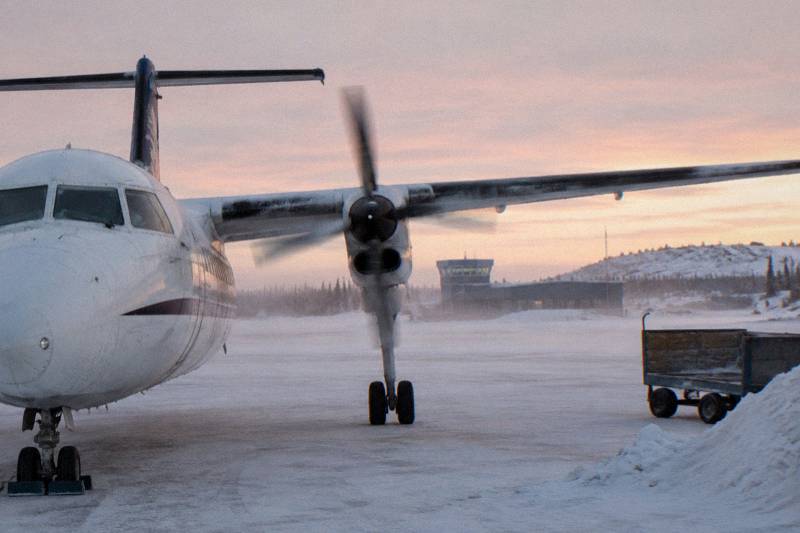
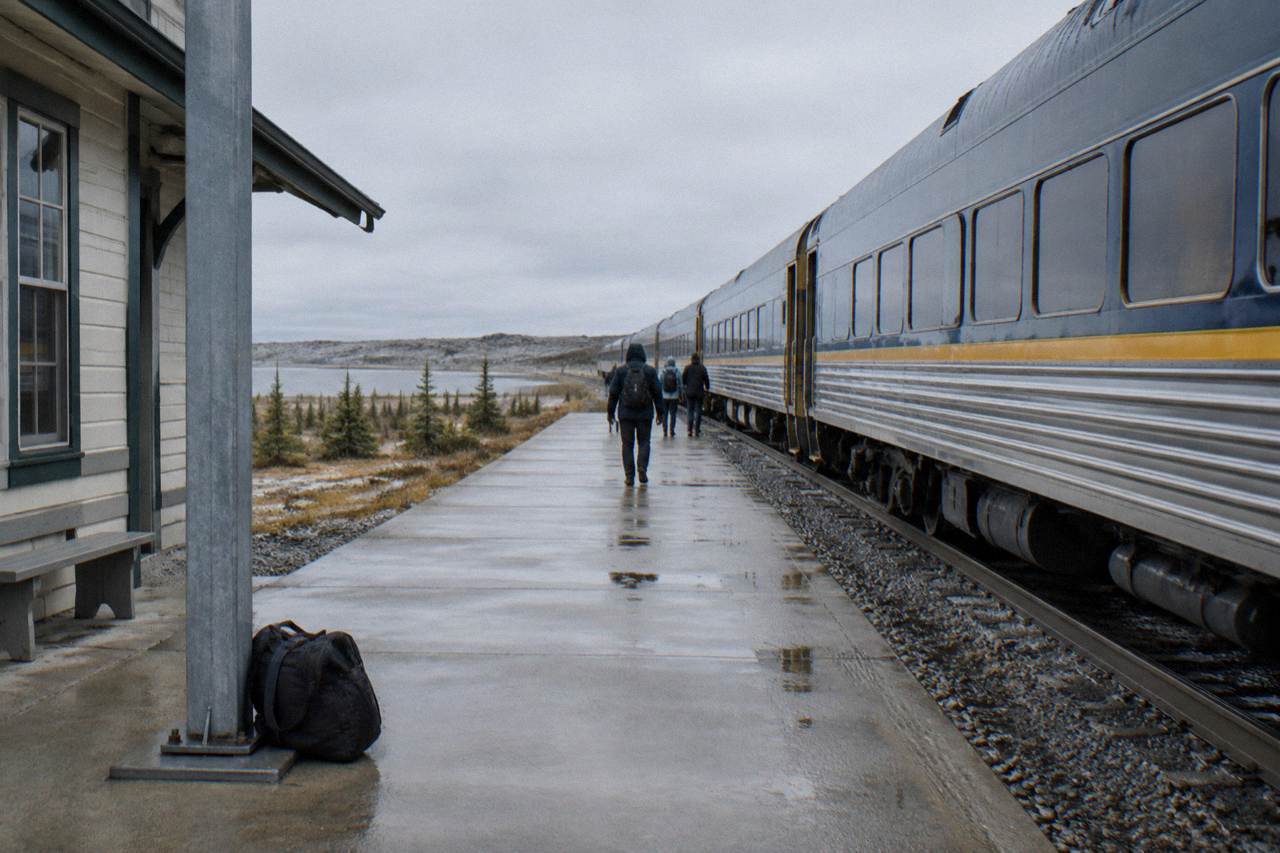
Yes, if you count the rails as part of the trip rather than as transport. The VIA Rail run from Winnipeg takes about 44 hours across roughly two nights, against a flight reported at about 2.5 hours, and no road reaches Churchill at all. Riders trade speed for boreal forest, muskeg and tiny subarctic stops. Travellers short on time should fly; travellers who want the journey itself will not get it any other way.
That is the honest short version. The longer version depends on what you are actually going north for, and for almost everyone reading this site, the answer is polar bears. The train does not change the bear part of the trip one bit. You still arrive in a town of about 900 people, per Travel Manitoba, more than 1,000 km from Winnipeg by any measure, and you still need a licensed vehicle operation to view bears safely in the Churchill Wildlife Management Area. Provincial regulation is explicit that touring in the management area happens under licence, and Parks Canada requires a licensed operator for anything inside Wapusk National Park. Nobody walks out to the tundra on their own. If Churchill is your front-runner but you haven't compared the alternatives, the guide to polar bear trips in Churchill, Kaktovik and Svalbard lays out access, seasons and real costs side by side.
So the train question is really a question about the front end of the trip. It is about whether two days of slowly unfolding wilderness, lake country and muskeg are worth giving up two days of Churchill itself, or whether the flight makes more sense once you weigh the whole itinerary. This article works through the trade-offs: the schedule, the experience on board, the money picture, and how the rail option fits with the tours that actually put you in front of bears.
One framing note before the details. If your plan is one of the multi-day packages from Winnipeg, such as the six-day Classic Churchill Polar Bear Experience, the train decision is mostly moot: those packages include round-trip flights from Winnipeg as part of the fare. The train conversation belongs to independent travellers building their own itinerary, and to anyone who has simply always wanted to ride the Hudson Bay line to the end of the road, so to speak, since there is no road.
How Long Is The Train Ride From Winnipeg To Churchill?
The scheduled run takes about 44 hours, roughly one day and 20 hours, with Winnipeg departures on Tuesday and Sunday and arrival in Churchill on the morning of day three. Southbound trains leave Churchill on Thursday and Saturday evenings and reach Winnipeg two days later. VIA Rail operates the route year-round with Economy and Sleeper Plus classes, and meals are generally not included in the fare.
Those are the verified bones of the schedule. Northbound, the train pulls out of Winnipeg around midday and arrives at 09:00 CT on the third morning, which means a Sunday departure lands you in Churchill on Tuesday and a Tuesday departure lands you Thursday. Southbound, the departure from Churchill comes in the evening and the arrival in Winnipeg late afternoon two days later. Anyone planning a week-long trip needs to line up their Churchill days against those two weekly departures in each direction, because a missed connection costs days, not hours.
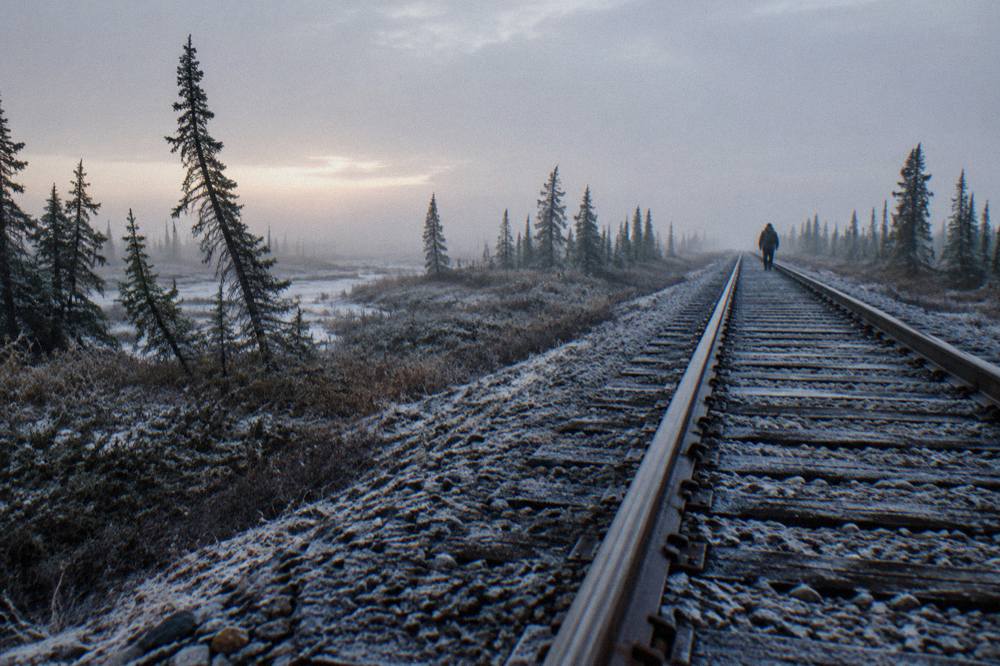
The schedule itself is the single biggest planning fact. A flight gets you north the same day you leave. The train consumes two full nights and a full day in the middle, and it gives back two mornings of slow light over the Canadian Shield and the lowlands beyond. Whether that is a cost or a benefit is the whole argument of this article, and reasonable travellers land on both sides of it.
| Direction | Departure days | Departs | Arrives | Scheduled duration |
|---|---|---|---|---|
| Winnipeg to Churchill | Tuesday and Sunday | Around midday CT | 09:00 CT on day 3 | About 44 hours |
| Churchill to Winnipeg | Thursday and Saturday | Around 20:30 CT | Late afternoon CT two days later | About 44 hours |
Two practical notes sit beside the schedule. First, checked baggage is available only at certain stations on this route, so packing light or confirming your boarding station matters more here than on a corridor train. Second, the twice-weekly rhythm means Churchill hotel nights and tour days should be booked around the rail calendar, not the other way round. The polar bear day tours in particular are known to sell toward capacity, and Frontiers North itself tells day-tour guests to book as early as possible, which is awkward advice to follow if you discover mid-itinerary that your rail days collide with a sold-out buggy departure.
Train Or Flight: Which Is Better For Churchill?
The flight wins on every measurable number: about 2.5 hours in the air against about 44 hours on rails, same-day arrival against day three, and schedule flexibility against two departures a week. The train wins on what cannot be measured: two nights of boreal forest, muskeg and shield country that no road crosses. Cost cannot settle the argument, because no verified fare comparison exists for either option.
Start with what is actually verified, because a lot of confident numbers float around this topic. Calm Air provides the scheduled direct flights to Churchill from Winnipeg and Thompson, per Parks Canada, and the flight time is reported at about 2.5 hours. The exact frequency varies by season and no reliable weekly count is published, so treat any "flights daily" claim you read elsewhere with caution. On the rail side, the schedule facts above are solid: two departures weekly each way, year-round, about 44 hours end to end. If you're starting your trip south of the border, the US traveler's route to Churchill via Winnipeg covers how to connect into these same flight and train options.
What is not verified is money. Train fares for this route were not found in the current sources, and flight fares swing widely enough that printing a figure would be guesswork. Anyone budgeting this trip should price both options live, and should remember that the multi-day polar bear packages from Winnipeg bundle the round-trip flights into the package price, which changes the arithmetic completely. The six-day Classic Churchill Polar Bear Experience, for instance, is from $7,926 per person with flights from Winnipeg included, so a package buyer is never choosing between train and plane at all.
| Factor | VIA Rail train | Flight to Churchill |
|---|---|---|
| Travel time | About 44 hours | Reported at about 2.5 hours |
| Frequency | Twice weekly each direction, year-round | Seasonal schedule, no verified weekly count |
| Arrival pattern | Morning of day 3 northbound | Same day |
| Classes and comfort | Economy and Sleeper Plus; meals generally not included | Standard regional airline service |
| Scenery | Two days of boreal forest, muskeg and shield | Subarctic coast from altitude |
| Fits a package? | No, packages include flights | Yes, flights bundled in the Winnipeg packages |
The honest way to decide is to ask what the two extra days are worth to you. If Churchill itself is the destination and your holiday allowance is one week, the train eats nearly half of it in transit, and the flight is the only sane choice. If you have ten days or more, or if the journey is genuinely part of the appeal, the train becomes one of the last long, slow rail rides in North America, and there is a reason people write about it.
There is also a middle path worth naming: train one way, fly the other. Northbound by rail gives you the full two-day descent into the subarctic, and southbound by air hands you back your extra days when the novelty has worn off. The twice-weekly schedule makes this workable with modest planning.
What Is The Train Journey To Churchill Actually Like?
Two days of slow, empty country: boreal forest giving way to muskeg, bogs and shield bedrock, with few roads and fewer towns, ending at a rail terminus on the shore of Hudson Bay. The line was rebuilt after 2017 flood damage and is now owned by Arctic Gateway Group. On board, expect a basic regional train, not a luxury cruise; meals are generally not included and the rhythm is set by the schedule, not by you.
The romance of the Hudson Bay line is real, but it helps to know what you are actually buying. This is not a scenic dome-line operation with glass observation cars. It is a working northern train, the only ground connection a town of about 900 people has to the rest of the province, carrying locals, freight-adjacent practicality and a modest number of travellers who chose the long way. The scenery is the draw, and it is genuinely unlike anything reachable by road, precisely because there is no road. Muskeg, permafrost and Canadian Shield bedrock are the three reasons engineers never built one, and they are also what you spend two days looking at.
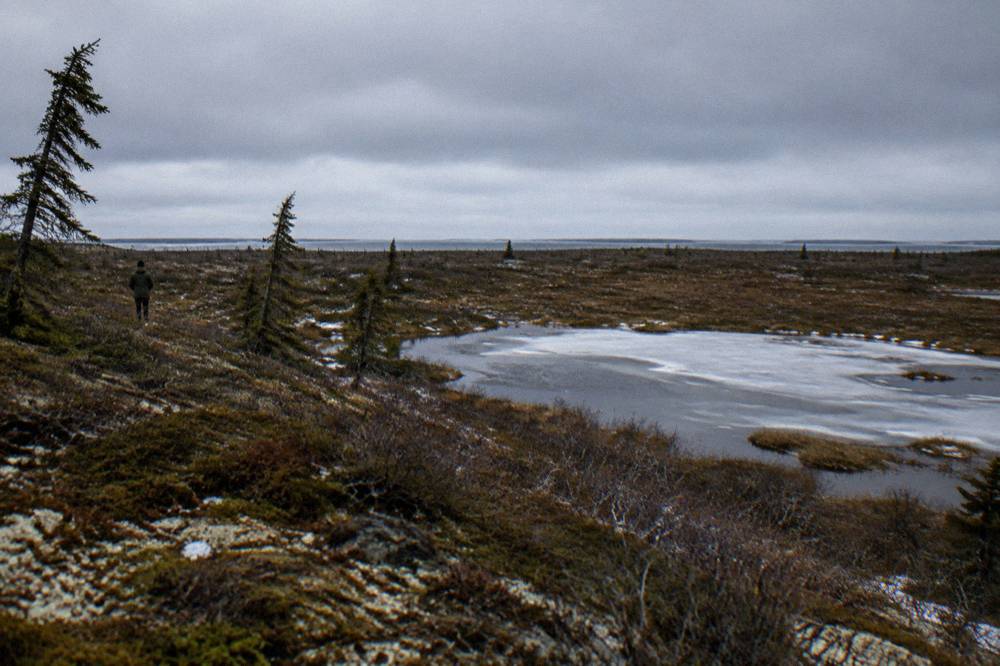
The line's own story is part of the experience. Flood damage in 2017 closed the railway for roughly 18 months, which cut Churchill off from ground transport entirely and made the town's isolation vividly concrete. Arctic Gateway Group, an Indigenous and northern community-owned venture, took over the line and restored service, and the railway has been upgraded steadily since. Riding it now means riding a rebuilt piece of northern infrastructure that a lot of people fought to keep alive, and the communities along the way are the reason it exists.
For wildlife watchers, the train ride is a slow warm-up act. You will not see polar bears from the windows; bears gather on the Hudson Bay coast around Churchill from mid-October to mid-November, where Travel Manitoba says an average of 600 bears wait along the shore for the ice. What you may get from the train is the sense of scale, the sheer distance and emptiness, that makes the concentration of bears at the end of the line so remarkable. The train teaches you why this coast is the end of the line, and the bears are why the line matters.
Does Taking The Train Save Money Compared To Flying?
There is no verified answer, and anyone who quotes you a firm saving is guessing. Neither train fares nor current flight fares for this route appear in the verified sources, and both swing with season and demand. What can be said firmly is that the packaged tours from Winnipeg bundle flights into the price, so the train-versus-plane question only applies to travellers booking day tours and private tours themselves.
This is worth dwelling on, because cost is the reason most people consider the train, and the honest answer is that the savings are unproven. The verified facts end at the schedule. What you can plan around is the structure of the bear-viewing products themselves, and that structure is what actually determines your total spend, far more than the transport choice.
The lowest verified per-person bear tour is the eight-hour Tundra Buggy day trip with lunch aboard, from $484 per person, rated 4.6 from 30 reviews on its listing. Frontiers North operates it on a 40-passenger buggy out of a Churchill meeting point, and it is non-refundable, so a rail delay on the way north is a real financial risk, not a hypothetical one. If your train runs hours or a day late and your buggy day was booked for the morning after arrival, that is your money. Flyers build in buffer days more cheaply because they lose less calendar time to begin with.
A guest review on that listing captures what a good day looks like: "Best day ever! So many bears including lots of cubs and even triplets. Couldn't have asked for a better trip. Marc was our guide so friendly and knowledgeable. Great lunch and the buggy was warm and comfortable." That is one guest's day, not a promise; bears are wild and every day differs. But it shows what the day-tour money buys when conditions cooperate.
At the other end of the structure, the packages look expensive until you notice what is inside them. The six-day Classic Churchill Polar Bear Experience is from $7,926 per person and includes the round-trip flights from Winnipeg, five nights, Tundra Buggy days and meals as listed. The seven-day summer beluga package is from $6,974 per person, and the six-day winter aurora package is from $5,783 per person, both also flying from Winnipeg. A train traveller comparing totals should compare the package price against train fare plus Churchill lodging plus day tours, and that comparison is impossible to do honestly without live fares. What the packages indisputably remove is the coordination risk: one booking covers the flights, the beds and the buggy days.
The middle option suits train arrivals well. A private heated SUV road safari around Churchill and the Hudson Bay coast runs from $1,474 for a private group, about eight hours with your own guide, hotel, airport or railway station pickup included, and free cancellation up to 24 hours before start. For someone stepping off the train with no vehicle and no schedule, that flexibility is worth paying attention to.
Why Is There No Road To Churchill?
Because the ground will not allow one. Churchill sits beyond the continuous road network because the terrain between it and the south is muskeg, permafrost and Canadian Shield bedrock, conditions that make an all-weather road environmentally and economically unfeasible. The town's only connections to the outside world are its airport, its train station and its port, which is exactly why the train question exists at all.
This is the fact that gives the whole debate its weight. In most of Canada, the train-versus-plane question is a preference. Here it is a structural fact: you arrive by air or by rail, full stop. The verified sources put it plainly, and the engineering reasons, saturated muskeg that cannot bear a roadbed, permafrost that heaves and shifts, and bare shield rock that resists grading, have kept every proposal on paper.
The consequence for trip planning is that the train is not a quirky alternative, it is one of two doors. That is also why the rail line's post-flood restoration mattered so much to the town, and why the twice-weekly schedule carries freight and groceries as well as visitors. When you ride it, you are sharing the only ground link a remote community has. Some travellers find that a burden, two days of schedule constraint. Others find it the most interesting thing about the trip.
Do You Still Need A Polar Bear Tour If You Arrive By Train?
Yes, without exception. Arriving by rail changes nothing about bear viewing: the Churchill Wildlife Management Area is toured under provincial licence, Wapusk National Park requires a licensed operator for all activities, and the town's own safety guidance tells residents and visitors to stay on main streets and report any bear sighting immediately. The train delivers you to the same starting line as the plane, and from that line, every safe bear encounter happens through a licensed operation.
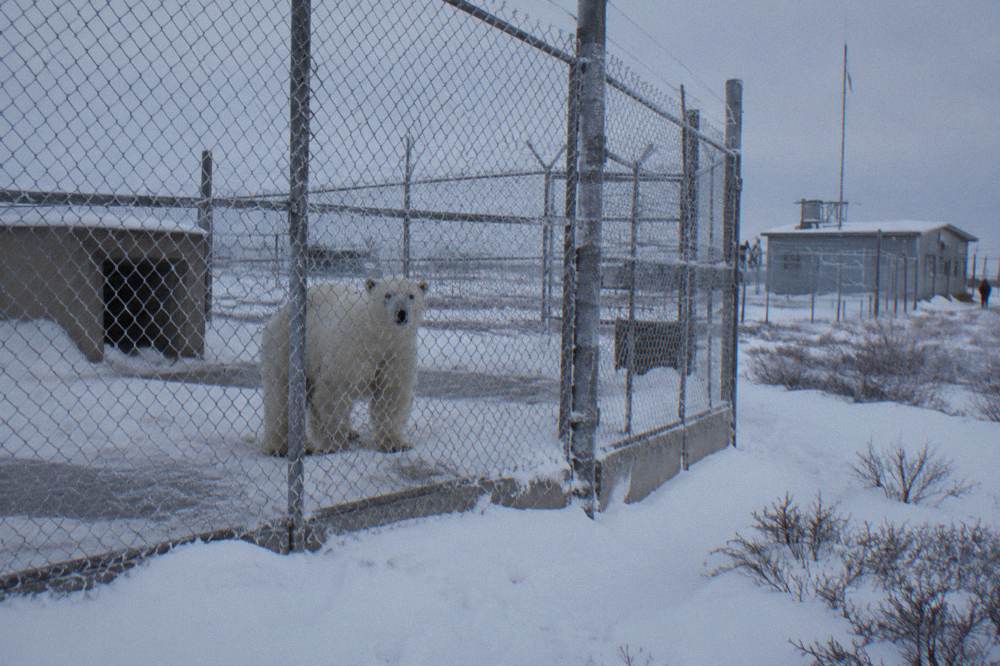
This is the part train-curious readers most often underestimate. The rail journey feels like an expedition, two days of wilderness, so it is natural to imagine arriving as a self-sufficient explorer. The reality is the opposite of that instinct. Manitoba's Polar Bear Alert Program exists precisely because bears and town overlap: a controlled zone where bears are not permitted, aversive hazing with noisemakers and paintballs first, and a holding facility near the airport, with up to 28 cells, for persistent bears, which holds them without feeding them so they do not associate people with food. The hotline, 204-675-2327, is monitored around the clock in the active season. None of that machinery exists so that visitors can wander out to find bears on their own.
What the machinery means is that your bear viewing happens in a licensed Tundra Buggy or with a licensed private guide. The classic option for independent arrivals is the eight-hour buggy day, from $484 per person with lunch aboard, meeting in town rather than at your hotel. The private road safari described earlier is the flexible alternative, and its railway station pickup and 24-hour cancellation window suit a rail arrival better than almost anything else on the roster. Both are operated within the management area rules that keep viewers elevated, distant and legal.
For travellers who want the deepest version, the six-day Classic Churchill Polar Bear Experience package from Winnipeg includes the flights, five nights, meals as listed and the Tundra Buggy days, rated 4.8 from 59 reviews. One guest review reads: "This trip has ben on our bucket list for a decade, and we finally went. Our guide, David, was fantastic, the town of Churchill was welcoming, and the polar bears did not disappoint. I'd highly recommend this to anyone who wants to see polar bears in the wild." Check availability if that structure fits; note that it, like the buggy days, is non-refundable, and the packaged flights carry a 70 lb total luggage limit, 50 lb checked and 20 lb carry-on.
The point for this article's question: the train and the tour are not alternatives, they are sequential. Riding the Hudson Bay line does not get you closer to a bear; it gets you to Churchill. The licensed tour is what gets you to the bears. Planning one without locking in the other is the single most common mistake on this route, and the twice-weekly train makes the mistake expensive.
If you are weighing the full set of options, the Winnipeg to Churchill train guide covers the rail logistics in detail, and the guide to getting to Churchill lays out every access route side by side. For the broader question of what a trip costs end to end, the Churchill Polar Bear Tours Canada cost guide breaks down the package and day-tour prices, and the tundra buggy tours overview explains the vehicle every licensed autumn day tour runs on.
Whichever way you arrive, the decision that shapes the trip is the tour booking, not the transport booking. The train is a story you will tell for years. The licensed day on the tundra, in a heated buggy with a window for every guest and a rear viewing deck, or in a private SUV with your own guide, is the reason you went.
Common Questions About The Train To Churchill
Is The Train To Churchill Worth It?
It is worth it if the journey itself is part of what you want. The run takes about 44 hours across two nights of forest, muskeg and shield, twice weekly in each direction, and no road offers anything comparable because no road exists. If your time in Churchill is short, the roughly 2.5-hour flight is the better use of your days.
How long does the train from Winnipeg to Churchill take?
About 44 hours, roughly one day and 20 hours. Northbound trains depart Winnipeg on Tuesday and Sunday around midday and arrive in Churchill at 09:00 CT on the third morning. Southbound trains leave Churchill on Thursday and Saturday evenings.
Does the train to Churchill run year-round?
Yes. VIA Rail operates the Winnipeg to Churchill route all year with two weekly departures in each direction on the full line. Economy and Sleeper Plus classes are shown on the schedule, and meals are generally not included.
Is the train cheaper than flying to Churchill?
There is no verified fare comparison. Neither current train fares nor reliable flight fares for this route appear in the verified sources, and both vary by season and demand. Price both live before deciding, and remember the Winnipeg packages include round-trip flights in the package price.
Do the polar bear packages include the train?
No. The multi-day packages from Winnipeg, including the six-day Classic Churchill Polar Bear Experience, include round-trip flights from Winnipeg, not rail travel. The train option belongs to independent travellers building their own itinerary around day tours or private tours.
Can you see polar bears from the train?
No. The bears gather along the Hudson Bay coast around Churchill from mid-October to mid-November, where Travel Manitoba says an average of 600 bears wait for the ice. Viewing happens through licensed operations in the Churchill Wildlife Management Area, never from the rail line or on foot.